If your home is in Troy, Sterling Heights, or many other Metro Detroit suburbs, your sewer line has a natural enemy you cannot see: expansive clay soil. It is one of the most common — and most misunderstood — causes of recurring sewer trouble in the region. Here is what is happening underground.
Why clay soil moves
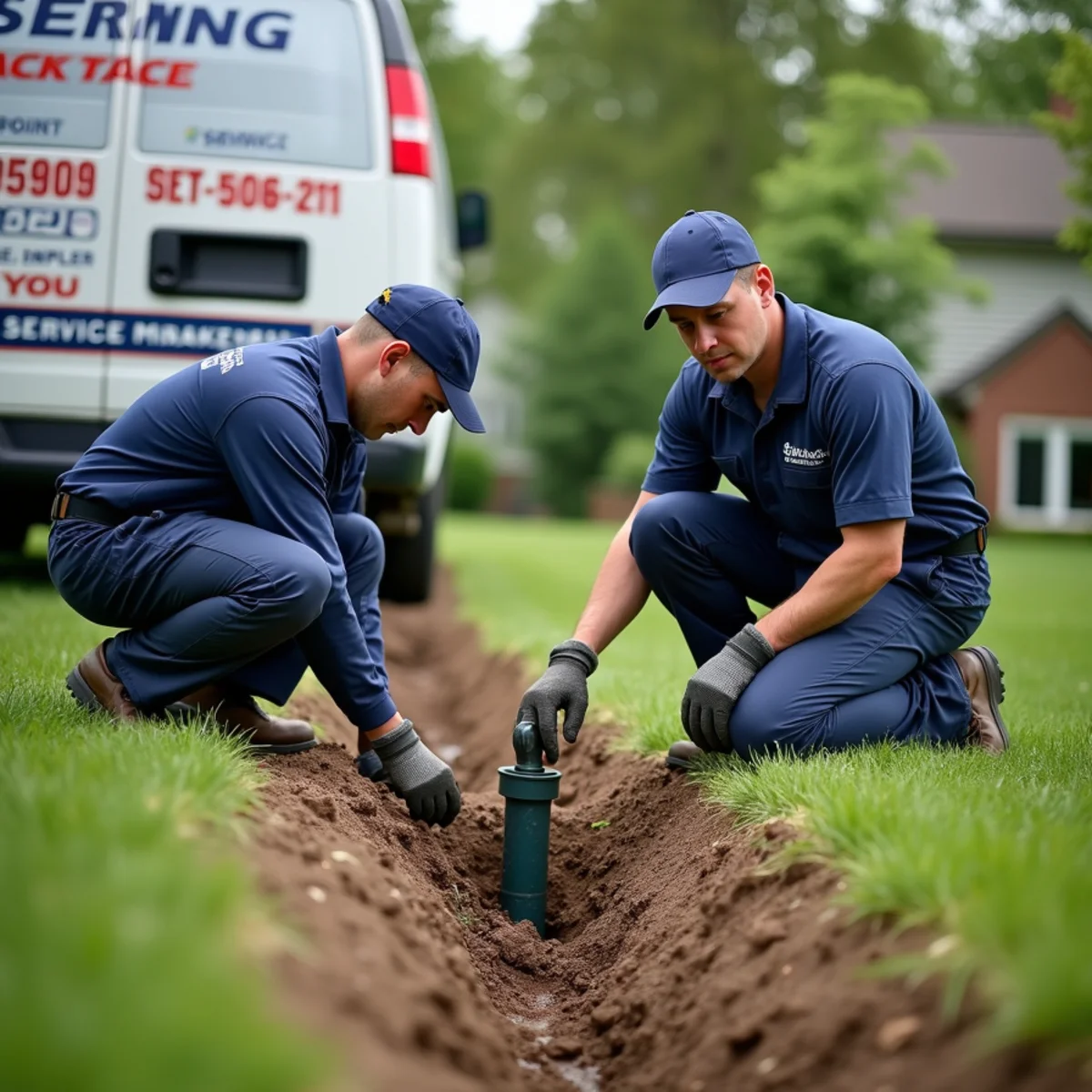
Expansive clay swells when it absorbs moisture and shrinks when it dries out. Over years of wet springs and dry summers, freeze and thaw cycles, that constant movement stresses everything buried in it — including your sewer lateral. The pipe was laid straight and level; the moving soil does not keep it that way.
What it does to your sewer
- Offset joints: sections shift out of alignment, catching waste and paper.
- Bellies: a length of pipe sinks, creating a low spot that traps water and solids.
- Cracks: repeated stress fractures older clay and cast-iron pipe.
- Root entry: every new crack and offset is an invitation for tree roots.
Finding the real problem
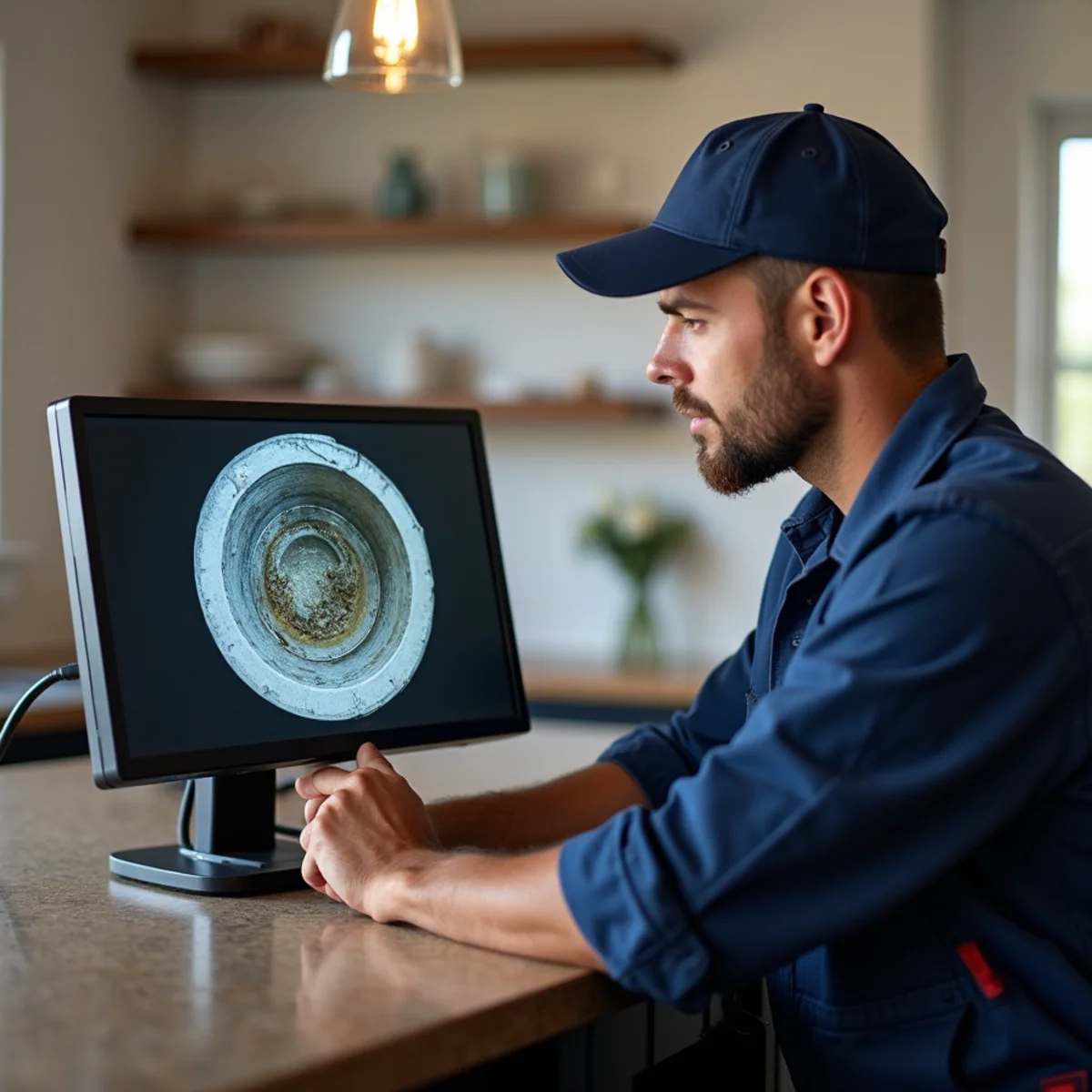
The only way to diagnose clay-driven sewer damage is to look inside. Our sewer inspection team runs a camera and locates the exact fault — offset, belly, crack, or roots — and shows you the footage. That evidence is what separates a real fix from a guess.
The right repair
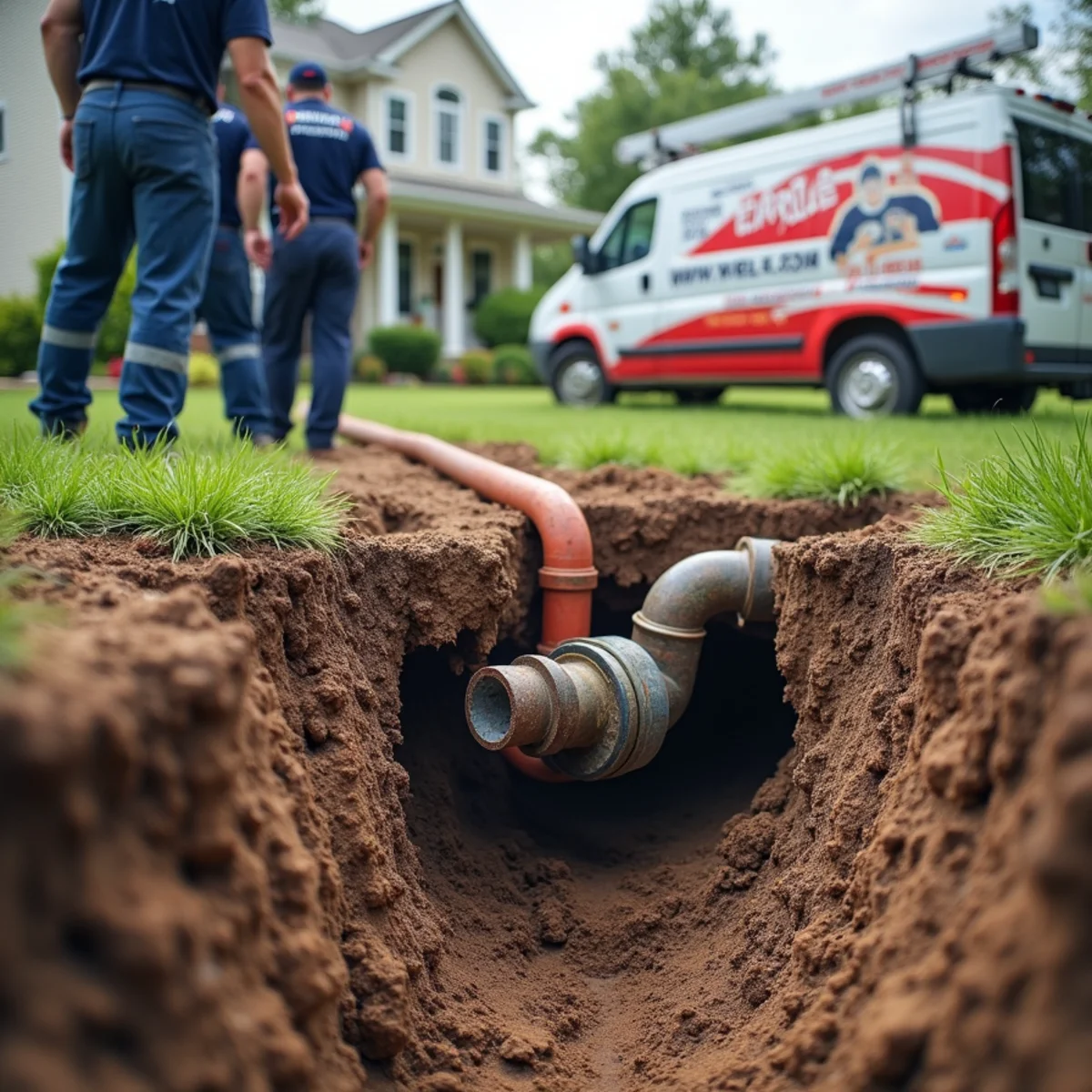
Depending on what the camera shows, the fix might be a spot repair, a trenchless liner, or a full sewer line replacement for a badly failed run. Trenchless methods are especially valuable here, renewing the line with minimal digging in established yards.
This is the defining sewer story in Troy and its clay-soil neighbors — and once you understand the mechanism, the recurring backups finally make sense.
From our licensed plumbers
Reading a sewer camera like a plumber does
A sewer camera is only as useful as the person interpreting the picture. Anyone can push a camera down a line and see that water is not draining; the skill is in recognizing what kind of failure you are looking at, because the fix depends entirely on the diagnosis. That is why we walk homeowners through the footage in plain language instead of just handing over a quote — you should see the problem we are proposing to fix.
When we run a camera through a clay-soil sewer line, we are not just looking for the blockage — we are reading the pipe's history. An offset joint tells us the soil shifted and pulled two sections out of alignment. A belly, where the camera dips into standing water, tells us a length of pipe sank and now traps everything that passes. Roots feathering in at a seam tell us that joint has opened just enough to invite them. Each of these has a different fix, and none of them are solved by another cabling. The footage is the difference between guessing and knowing.
The tradeoff clay-soil homeowners face is patch-and-repeat versus fix-the-grade. You can keep clearing an offset or a belly, but the soil is not going to stop moving, so the problem returns on its own schedule. A targeted spot repair or a trenchless liner corrects the actual defect. On the expansive clay under Troy and its neighbors, we camera the line first and match a sewer repair to what the pipe actually needs — because the soil guarantees the shortcut will not last.
Frequently asked questions
You cannot change the soil, but you can catch problems early with a camera inspection, especially if you have older clay or cast-iron pipe. Addressing an offset or small crack early is far cheaper than waiting for a collapse.
Often yes. Where the host pipe qualifies, trenchless lining or pipe bursting renews the sewer with minimal excavation — a big advantage in established, landscaped yards. The camera inspection tells us if your line is a candidate.
Have a plumbing problem right now?
Our licensed Bloomfield Hills plumbers answer 24/7 and quote the price before any work begins.
Call (831) 290-4327