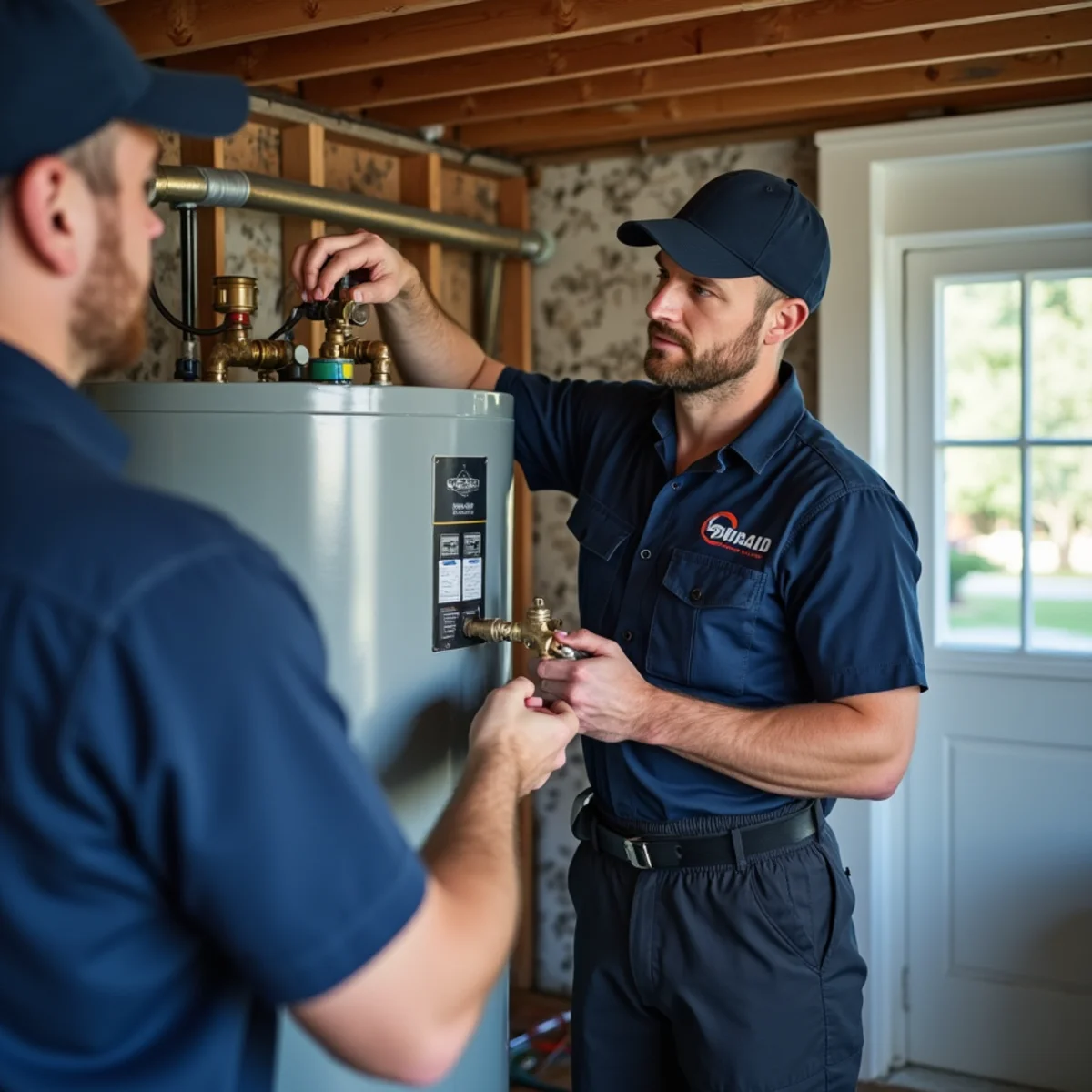
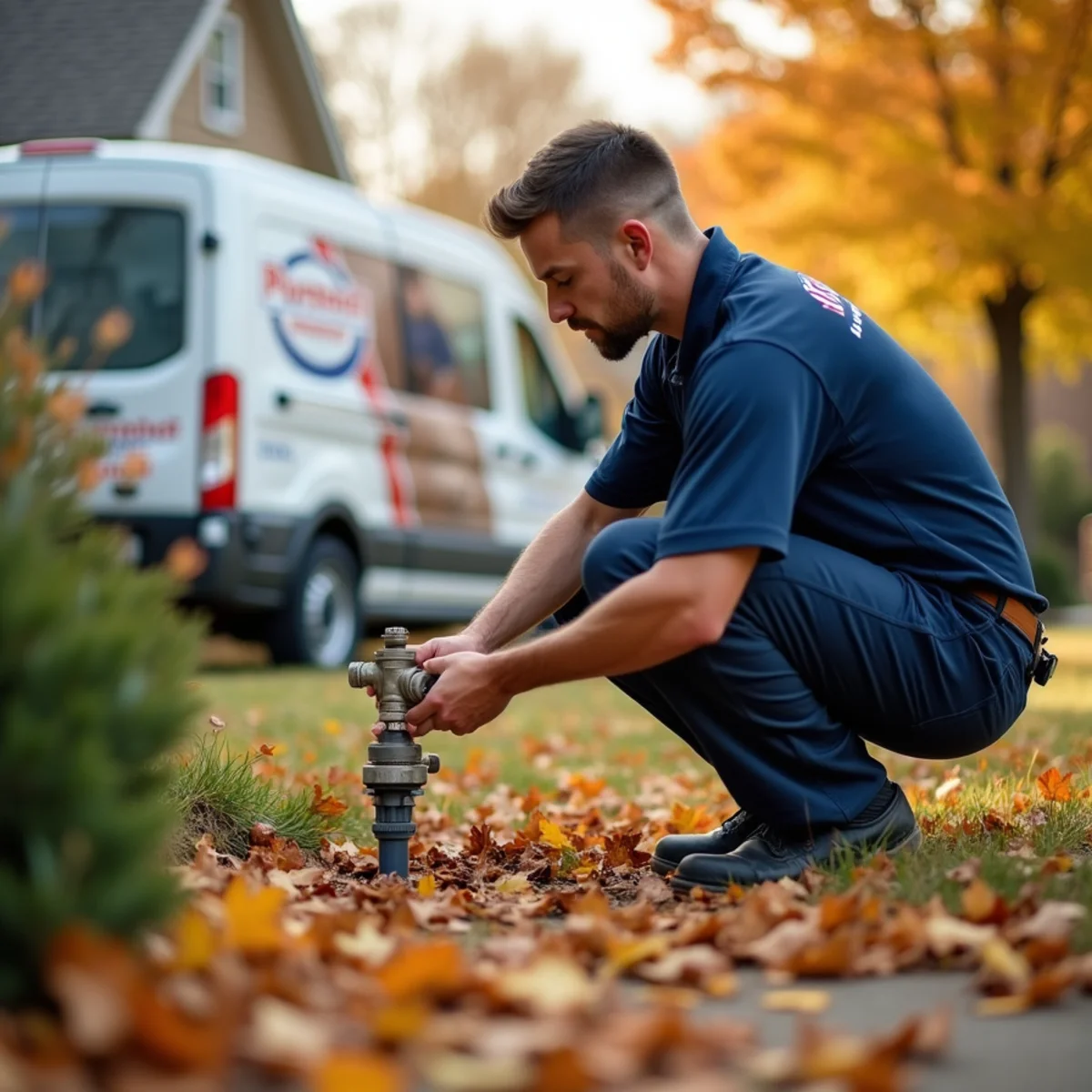
24/7 emergency response, camera-verified diagnostics, and clear written repair options — from burst pipes and sewer backups to water heaters and leaks.
A crack as small as ⅛ inch can release up to 250 gallons a day, and Michigan sees roughly 250,000 homes damaged by frozen pipes each winter. Clean water should be dried within 24–48 hours to limit mold risk — so the first few minutes matter. Here's what to do before we arrive.
Safety first. If water is near an outlet, panel, furnace, or appliance, don't enter it — leave the area and call from a safe spot. Never thaw a frozen pipe with an open flame.
Frozen or burst pipe
1Move away from any water near outlets, the panel, the furnace, or appliances.
2Shut off the main water supply if the valve is safely reachable.
3Open a cold-water faucet to relieve pressure in the line.
4Call us and describe the pipe location, water volume, and whether it is still flowing.
5Photograph the source and affected rooms only from a dry, safe position.
Sewer backup or flooded basement
1Avoid contact with suspected sewage; keep children and pets away.
2Stop using toilets, sinks, showers, and the washer while wastewater is rising.
3Do not pump contaminated water into another part of the home.
4Note when it started, which fixtures were used, and whether heavy rain hit.
5Ask that the assessment cover sump discharge, backwater protection, and sanitary connections.
What to say on your first call
Is the water clean, gray, or suspected sewage?
Can the main water shutoff be reached safely?
Is water near a panel, outlet, furnace, or appliance?
Have you stopped using plumbing fixtures?
What arrival window and after-hours rate apply?
Our 30-minute call promise: we answer, triage the hazard, walk you through safe shutoff, and give you the next available dispatch window on that first call.
Snaking, hydro jetting, or a camera? The diagnosis decides.
We never guess — or jet a line automatically. Snaking clears a blockage with a cable; hydro jetting uses pressurized water to scour buildup and roots when the pipe can handle it; a camera inspection sends a camera through the line to show the cause and location. A cleared drain can still hide a cracked or misaligned pipe, so for recurring backups we look before we repair.
Problem
Warning signs
Safe first step
How we diagnose
Urgency
Frozen or burst pipe
No water in a cold snap, frost or bulging on a pipe, water appearing as it thaws
Shut off the main if safe; open a faucet; never use an open flame
Check the full run, insulation, exterior-wall exposure, and hidden water path
Emergency
Sewer backup / flooded basement
Water or sewage rising in floor drains, toilets, or the basement
Stop using fixtures; stay clear of contaminated water and electrical
Camera inspection plus sump-discharge, backwater, and sanitary review
Emergency
Clogged drain or sewer line
Slow or gurgling drains; several fixtures backing up at once
Stop adding water; skip chemical drain cleaners
Snaking, camera inspection, or hydro jetting — chosen by pipe condition
High
Failed sump pump in a storm
Pump silent or running non-stop while water rises in the pit
Check power and the float only if it is safe and dry
Review pump, float, discharge, check valve, alarm, and backup power
Emergency
Water heater failure
No hot water, rusty water, or pooling at the base of the tank
Shut off the heater; for a leak, shut off its water supply
Repair vs. replace review of tank, anode, valve, and connections
Medium
Hidden supply leak
Meter moving with everything off, stains, a musty smell, or a high bill
Shut off the affected fixture or the main; document the damage
Acoustic and thermal leak detection to pinpoint the source
High
This is a rapid triage aid, not a substitute for diagnosis — electrical hazards and suspected sewage change the response immediately. For a recurring main-line issue, our sewer camera inspection finds the real cause before any repair.
Why Choose Us
The Bloomfield Hills plumber homeowners actually trust
We built our reputation on proof before price — verifiable licensing, real diagnostics, and written scopes before any work begins.
Live 24/7 dispatch
A real plumber answers the phone any hour, walks you through safe shut-off, and gives you an honest arrival window.
Licensed & insured
Every technician is a licensed, insured Michigan plumber. Verify us through Michigan LARA — we encourage it.
Price before we start
You get a written, line-item scope and the price up front. No surprises, no pressure on a distressed homeowner.
Diagnosis, not guesswork
Cameras, moisture meters, and pressure tests find the real cause — so we fix the problem, not just the symptom.
Local to the Woodward corridor
Based right on Woodward Ave, we reach most of Bloomfield Hills and the Township in 20–40 minutes.
Estate to modern expertise
From century-old estate plumbing to new construction, our team knows the homes of Oakland County.
Locally Owned & Operated
Your neighbors on the Woodward corridor
For over 17 years, Bloomfield Hills Plumbing Pros has served Bloomfield Hills and the surrounding Oakland County communities. We understand the historic estates, the lake-country basements, and the hard water that shapes plumbing here — because we live and work here too.
Licensed Michigan master plumbers, background-checked and insured
Straightforward, written estimates with the price up front
Camera-verified diagnostics and documentation for your insurance file
Why Bloomfield Hills needs a freeze-and-flood plan
Our winters and our water tables create two very different plumbing risks. Getting ahead of both is far cheaper than the emergency call.
Winter freeze exposure
January lows near 17°F put exterior-wall plumbing, crawl spaces, attics, hose bibs, and vacant homes at real risk. A visible split is rarely the whole story — we check adjacent pipe, insulation, and the path the water took.
Inspect exterior-wall plumbing before the first sustained freeze.
Disconnect and protect hose bibs and exposed supply lines.
Keep safe heat in vacant homes and arrange periodic checks.
Know the main shutoff location before an emergency — never thaw with a flame.
Heavy rain, stormwater & backups
High water tables and heavy rain drive basement backups. Bloomfield Township warns that sump-pump connections to the sanitary sewer can contribute to backups when a line blocks. A backwater valve helps stop wastewater from moving backward through a drain under qualifying conditions — but no single device solves every backup.
We assess sump discharge, backwater protection, and sanitary connections.
We review grading and stormwater pathways, not just the pump.
We identify the actual water source before any cleanup or replacement.
Seasonal prevention schedule
Maintenance never guarantees prevention, but it exposes a weak pump, blocked discharge, unlabeled shutoff, or vulnerable pipe before an emergency.
Before winter
Protect hose bibs and exposed lines, and keep safe heat in vacant homes.
Before heavy-rain season
Test the sump pump, alarm, discharge, and backup-power plan.
Routine maintenance
Label the main shutoff and record water-heater age and serial number.
After a leak
Retain photos, moisture readings, invoices, and repair documentation.
Real feedback from neighbors we've helped — in emergencies and on planned projects alike.
4.9138 verified reviews
“Our sump pump quit during a spring storm and our basement was flooding. They had a tech out in under an hour and installed a battery backup the same night. Absolute lifesavers.”
Karen M.West Bloomfield, MI · Sump Pump Installation & Repair
“We bought a 1930s home near Quarton Lake and the galvanized pipes were failing. They repiped the whole house cleanly and explained every step. Fair price, no mess.”
David R.Birmingham, MI · Pipe Replacement & Repiping
“Woke up to no hot water before a houseful of guests. They diagnosed the water heater, had the part on the truck, and fixed it that morning. Professional and honest.”
Priya S.Troy, MI · Water Heater Repair & Maintenance
“A pipe burst behind a wall while we were away. They shut it down, found a second crack from the freeze, and documented everything for our insurance. Couldn’t ask for more.”
Mark T.Bloomfield Township, MI · Burst Pipe Repair
“Recurring main-line backups for two years. They ran a camera, showed me the roots, and did a trenchless repair. No more backups and they barely touched the yard.”
Angela D.Rochester Hills, MI · Sewer Line Inspection & Repair
“Called at 2 a.m. with a frozen, split pipe. A real person answered, walked me through the shut-off, and had someone out fast. Thawed it safely and fixed the crack.”
Steve K.Bloomfield Hills, MI · 24/7 Emergency Plumber
Transparent costs, insurance help, and licensing you can verify
Most plumbers hide their pricing. We publish planning ranges up front, help you document a claim, and hand you the license numbers to check us out before you sign.
Planning benchmarks
Drain & sewer cleaning
$133–$350 (broader $100–$600)
Metro service call
$50–$300
Emergency work
1.5–2× standard rates
Water-heater repair
$175–$770 (avg ~$473)
Water-heater replacement
$850–$1,425
Water-heater flush
~$155
Metro planning ranges, not guaranteed quotes. Actual price depends on access, diagnosis, materials, permits, urgency, and scope — you get the number in writing before work starts.
Insurance documentation
Photograph rooms, materials, appliances, and serial numbers before cleanup.
Stop the source if it is safe, and keep every invoice and receipt.
Ask your insurer about sewer-backup or water-backup endorsements.
We provide a written cause, scope, and drying record — the carrier decides coverage.
Licensed, permitted & verifiable
Michigan plumbing work generally requires a permit before it starts. We pull it as the licensed contractor, install to code, and schedule the inspection. Ask for our contractor and supervising master-plumber license numbers, then verify them yourself before you sign — a truck logo isn't proof.
Answers to what Bloomfield Hills homeowners ask us most.
We provide 24/7 emergency plumbing, drain cleaning, sewer line inspection, repair and replacement, leak detection, water heater installation and repair, tankless installs, sump pump service, repiping, gas line work, toilet and fixture service, frozen and burst pipe repair, and commercial plumbing. Every service starts with a diagnosis and a written scope.
We answer the phone live 24/7 and stage trucks near the Woodward corridor, targeting a 60–90 minute response across Bloomfield Hills and Bloomfield Township. During the first call we explain safe shut-off steps and give you an honest dispatch window — we never promise a guaranteed 30-minute arrival we cannot keep.
Detroit-area service calls are commonly benchmarked at $50–$300, drain and sewer cleaning at $133–$350 (up to $600 for bigger jobs), and emergency work can run 1.5–2× standard rates. Access, diagnosis, materials, permits, urgency, and scope change the final price. We state the price in writing before any work begins.
Yes. Every technician is a licensed, insured Michigan plumber. Ask for our contractor and supervising master-plumber license numbers and verify them through Michigan LARA’s Bureau of Construction Codes — we encourage it.
Yes. Michigan plumbing work generally requires a permit before starting. As the licensed contractor we obtain the permit, install to code, and schedule the inspection. Repairs limited to clearing a stoppage or replacing a faucet’s working parts may be exempt — we tell you which applies.
Shut off the main water supply only when the valve is reachable without entering unsafe water. Stay away from standing water near outlets, the electrical panel, the furnace, and appliances. After the shutoff, open a cold-water faucet to relieve pressure, then call us. For a gas odor, leave the home first and call from outside.
Backups can involve blocked sanitary lines, sump-pump connections, failed systems, grading, stormwater pathways, or inadequate backwater protection. Bloomfield Township warns that sump-pump connections to the sanitary sewer can contribute to backups when lines block. We identify the actual water source before recommending a repair.
Yes. We document the source, affected areas, moisture conditions, and the repair scope, and we keep your invoices and photos organized. Ask your insurer whether sewer-backup or water-backup coverage applies — the carrier decides the claim, but thorough documentation gives it the best footing.
EPA guidance points to a 24–48 hour window to reduce the risk of mold growth. That is why fast source correction and drying matter — not just removing the visible water. We document moisture conditions, correct the plumbing source, and separate the repair from any drying or restoration work.
The diagnosis should decide. Snaking uses a cable to clear an obstruction; hydro jetting uses pressurized water to scour buildup and roots when the pipe condition and access support it. For recurring backups we run a camera inspection first so the method matches the actual cause — we never jet a line automatically.
A good written scope identifies the diagnosis, materials, labor, access, permits, testing, disposal, exclusions, warranty, and payment milestones — and states whether extraction or restoration is included or separate. When conditions allow, compare at least two written scopes line by line before you approve work.
Detroit-area benchmarks put water-heater repair around $175–$770 (averaging near $473), replacement around $850–$1,425, and a maintenance flush near $155. These are planning figures, not quotes. Ask for a written comparison covering repair, capacity, efficiency, installation, permit, disposal, and warranty before deciding.
Plumbing emergency? Don't wait — call now.
Burst pipe, sewage backup, no hot water, or a failed sump pump? We answer 24/7 and dispatch fast.