Michigan winters put every home’s plumbing to the test. With January average lows near 17°F, the most vulnerable pipes — those in exterior walls, crawl spaces, attics, unheated garages, and at hose bibs — can freeze and split, and Michigan reports roughly 250,000 homes damaged by frozen pipes each winter. Prevention is far cheaper than repair.
How to prevent frozen pipes
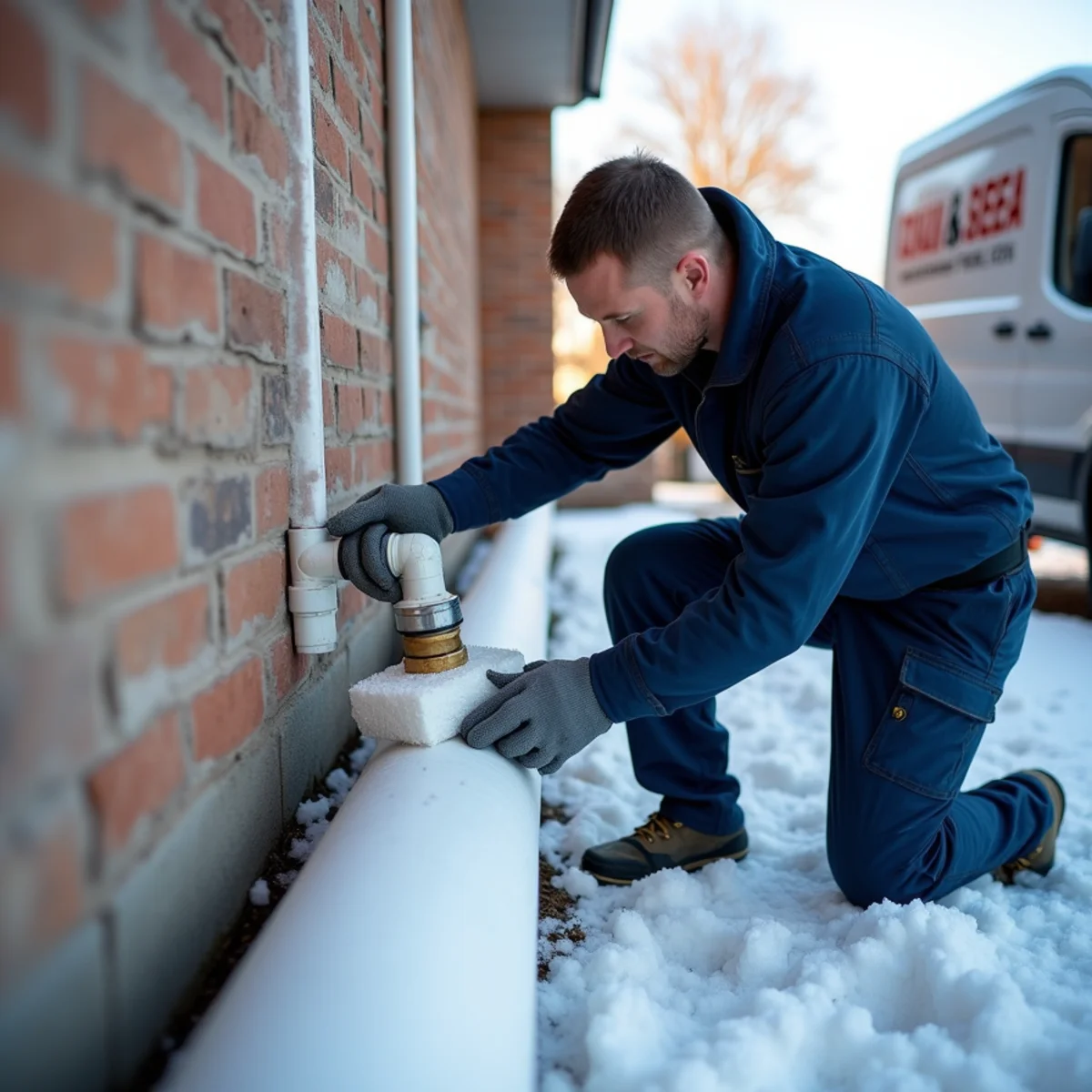
- Insulate pipes in exterior walls, crawl spaces, attics, and unheated areas.
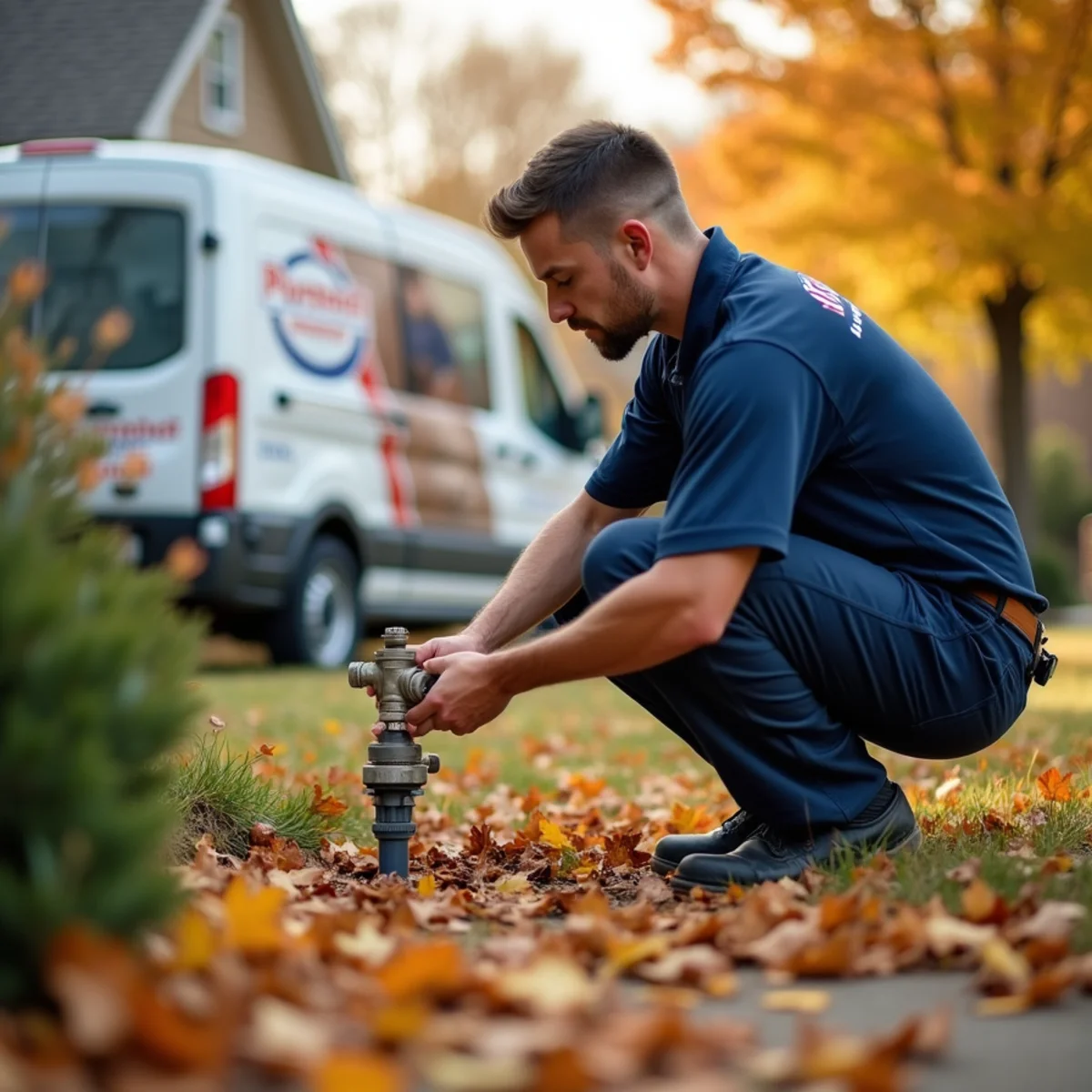
- Disconnect garden hoses and shut off and drain outdoor hose bibs before winter.
- Keep the home heated to at least 55°F, even when you are away.
- On the coldest nights, let a faucet drip and open cabinet doors under sinks on exterior walls.
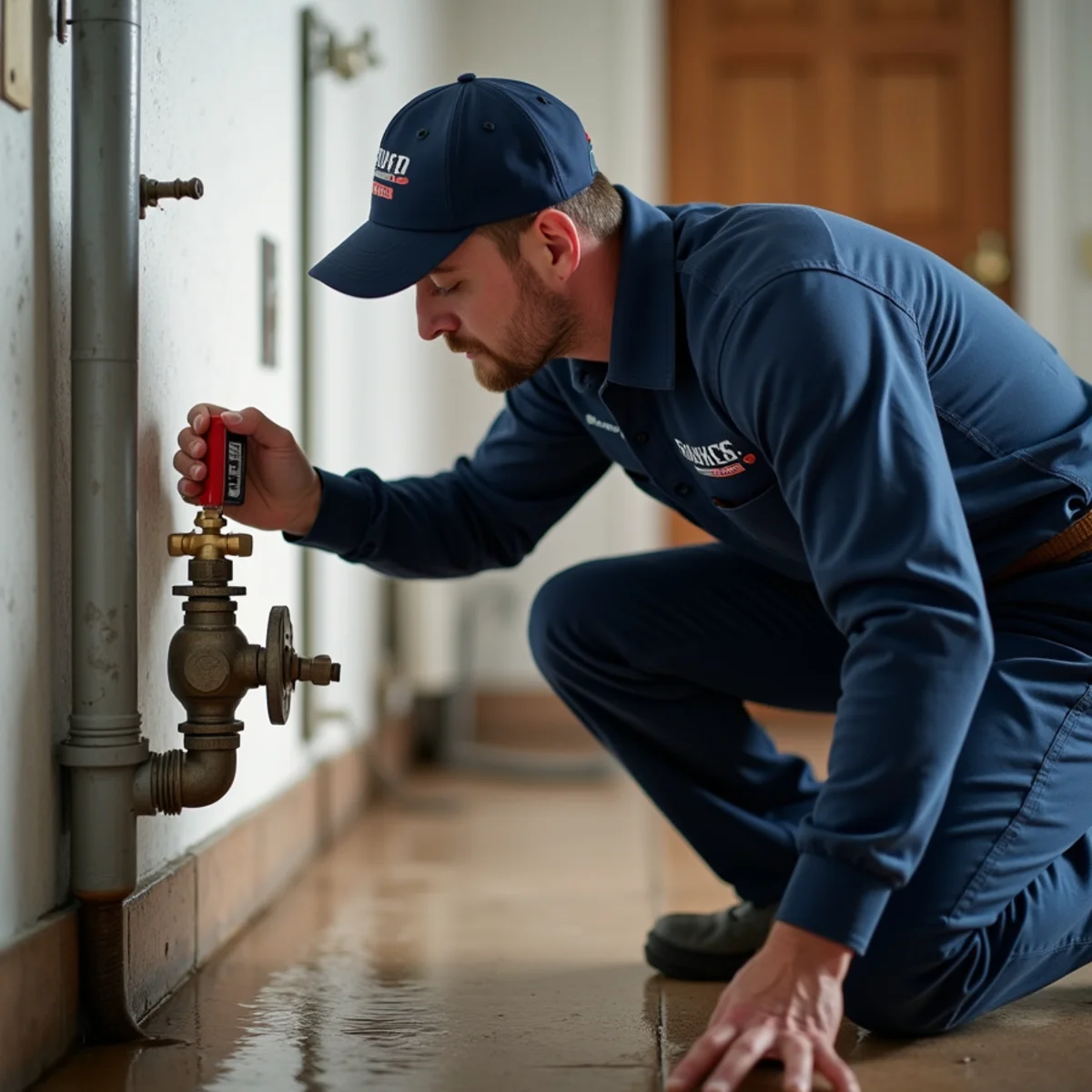
- Know where your main shut-off is — before you need it.
If a pipe freezes
If a faucet stops flowing in cold weather, a pipe leading to it is likely frozen. Keep that faucet open so water can flow as it thaws, and locate your main shut-off in case the pipe has split. Apply safe, gentle heat — a hair dryer or warm towels — to the accessible frozen section, working from the faucet end toward the freeze.
The thaw reveals the damage
Here is the trap: freezing often cracks a pipe, but the split stays sealed by ice until it thaws — then water pours out. That is why our frozen pipe repair team keeps the main off and inspects the full run after a freeze. For an active flood, our 24/7 emergency plumbers respond around the clock.
A regional problem
Freeze risk is high across the area, especially on exposed hillsides and near water in communities like Rochester Hills. A little prevention in the fall saves a lot of grief in January.
From our licensed plumbers
The vacant-home failure we see every January
The worst frozen-pipe damage we respond to almost always has the same backstory: nobody was home. A family travels south for a few weeks, the furnace is set low to save money, a cold snap arrives, and a line in an exterior wall or unheated bonus room freezes, splits, and — because no one is there to notice — runs for days once it thaws. By the time a neighbor sees water at the door, it is not a pipe repair anymore; it is a restoration project. The pipe that failed cost a few dollars; the damage costs thousands.
The prevention tradeoff is small effort now versus a catastrophe later. Keeping the thermostat at 55°F or higher, insulating the lines that actually freeze first, and having someone check the home — or winterizing the plumbing outright — costs very little against what a multi-day flood does. If you own a seasonal or frequently empty home, ask us about winterization before you leave. And keep our frozen pipe repair number handy, because on the exposed lots and older homes around Rochester Hills, January does not give much warning.
Frequently asked questions
Pipes are at risk when temperatures drop into the low 20s°F, especially in unheated or exterior areas. Wind chill and poor insulation increase the risk, which is why exterior-wall and crawl-space lines freeze first.
Not necessarily. Freezing can crack a pipe that only leaks once it thaws. Keep the main off and have the run inspected after a freeze so a hidden split does not flood your home later.
Have a plumbing problem right now?
Our licensed Bloomfield Hills plumbers answer 24/7 and quote the price before any work begins.
Call (831) 290-4327