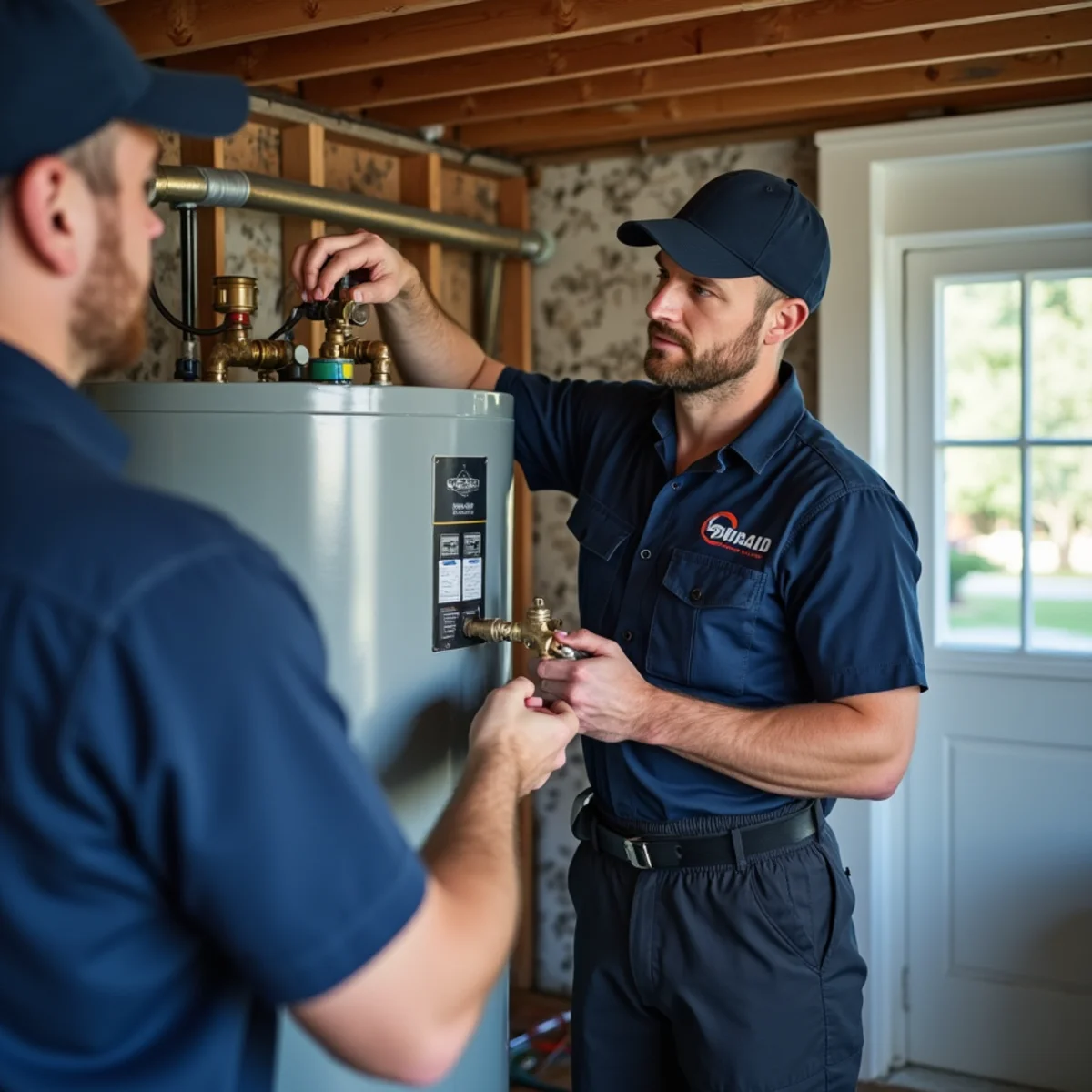
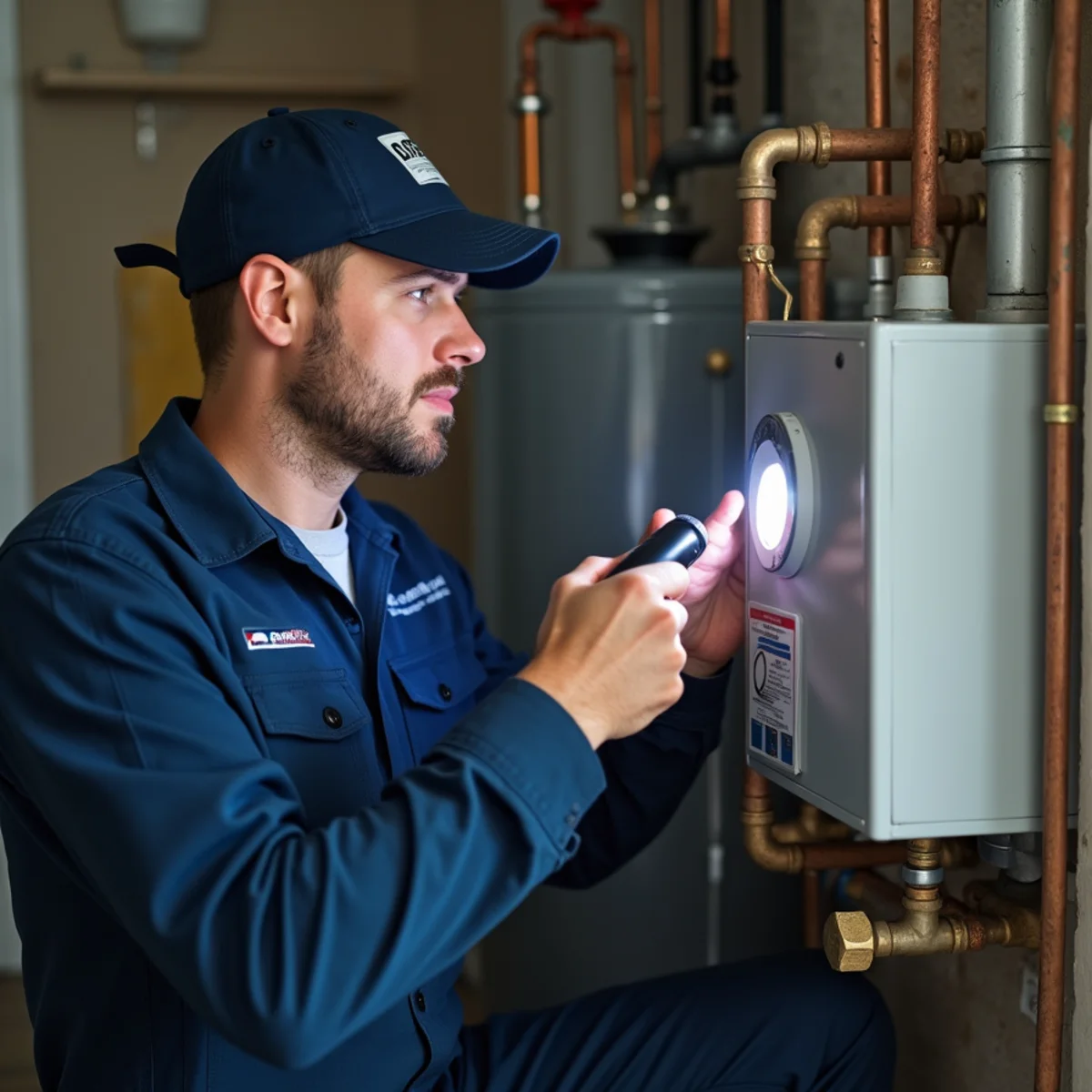
Waking up to a cold shower — or worse, discovering it right before a house full of guests — is one of the most common calls we take. The reassuring news is that a total loss of hot water is often a repairable fault, not a dead tank. Here is how to think through it.
Quick checks before you call
- Gas heater: is the pilot lit? A pilot that will not stay lit often points to a thermocouple.
- Electric heater: check the breaker — a tripped breaker or a failed heating element is common.
- Is the thermostat set correctly, and has anyone adjusted it?
- Any water pooling at the base? That points to the tank itself, not a simple part.
The usual culprits
For gas units, a failed thermocouple or gas control valve is common. For electric units, a burned-out heating element or thermostat is the usual suspect. And across both, Oakland County’s hard water is a quiet saboteur: sediment builds up in the tank, insulates the burner or lower element, and steadily robs you of hot water.
Our water heater repair and maintenance team tests the tank, connections, relief valve, thermostat, and burner or elements to find the true fault — often a same-day fix. If the tank body has failed, we will tell you honestly and walk you through water heater installation options.
Why it happens more here
Hard water is why water heaters in communities like Troy and across the county often fail earlier than the label promises. The single best prevention is an annual flush to clear sediment before it damages the burner or elements.
Repair or replace?
If your heater is under about 10 years old and the tank is sound, repair is usually worth it. Once you see corrosion, a leaking tank body, or the unit is past its expected life, replacement is the smarter investment — and a good moment to consider a high-efficiency or tankless upgrade.
From our licensed plumbers
The hard-water problem behind most no-hot-water calls
When we get a no-hot-water call, our first question is not "what brand is the tank" — it is "when was it last flushed." That answer predicts the diagnosis more reliably than almost anything else, because on Oakland County water the slow accumulation of sediment is the thread connecting most premature failures. Understanding that changes how you think about the whole appliance: it is not a set-and-forget box, it is a system with a maintenance schedule.
Here is what years of water-heater calls in Oakland County have taught us: the tank rarely dies suddenly. It dies slowly, buried under a layer of hard-water sediment that most homeowners never see. That sediment settles on the bottom of the tank, insulates the burner or lower element, and forces the heater to run hotter and longer for less hot water. By the time you get a cold shower, the unit has often been struggling — and wasting energy — for a year. The popping and rumbling you hear is sediment boiling under the water.
The tradeoff worth understanding is repair timing versus replacement. If your tank is under about ten years old and the body is sound, a failed element or thermostat is a genuine same-day fix and a flush buys you years. Past that age, sinking money into a corroding tank is rarely worth it. Either way, the fix that prevents the next 2 a.m. call is annual maintenance and flushing — the single most effective thing a Troy homeowner can do on our water.
Frequently asked questions
Most tank units last 10–15 years, but local hard water can cut that short without maintenance. An annual flush and anode-rod check meaningfully extends the life of the unit.
Often, yes. Many no-hot-water calls come down to a thermocouple, heating element, or thermostat that we carry on the truck. Call early and we will confirm same-day availability.
Have a plumbing problem right now?
Our licensed Bloomfield Hills plumbers answer 24/7 and quote the price before any work begins.
Call (831) 290-4327