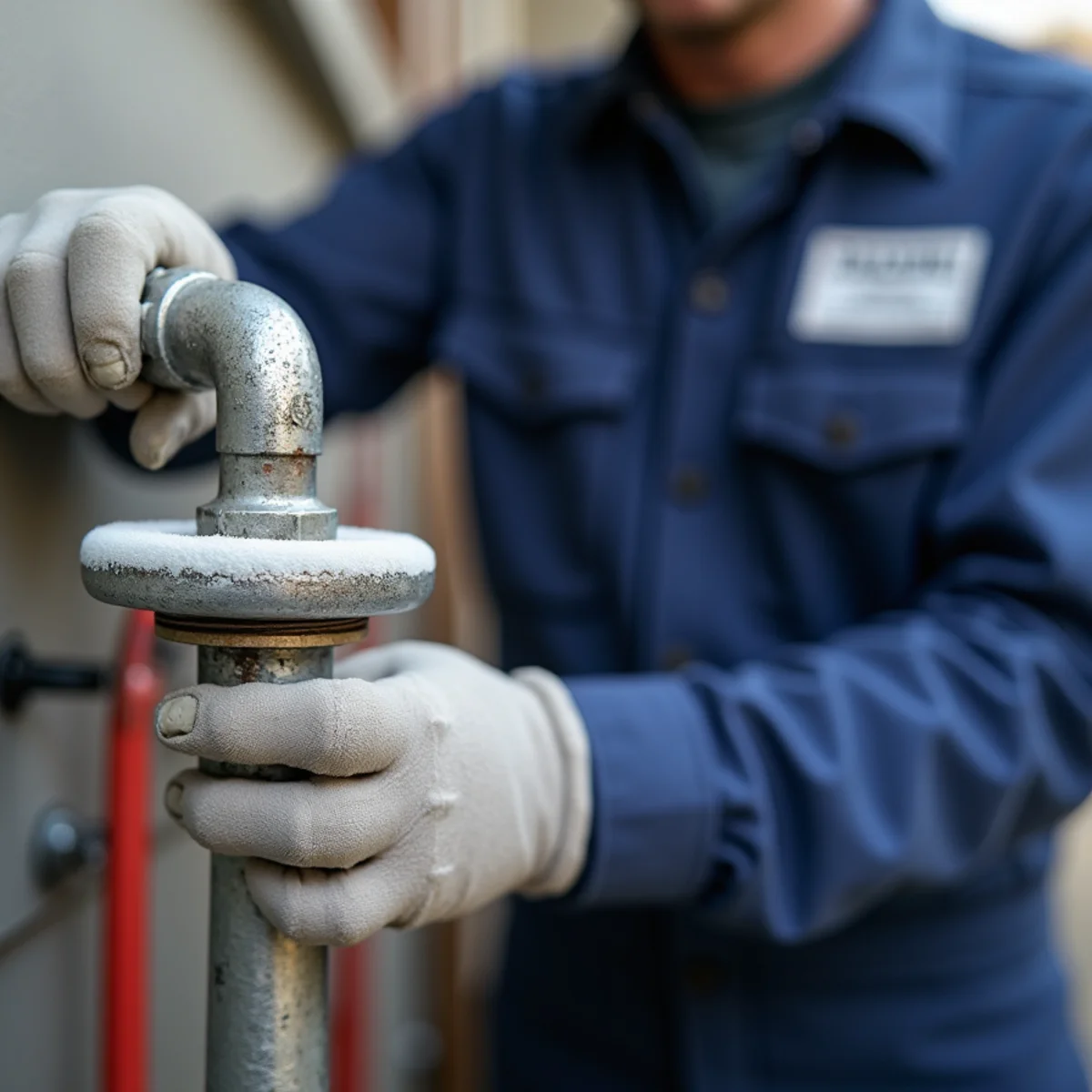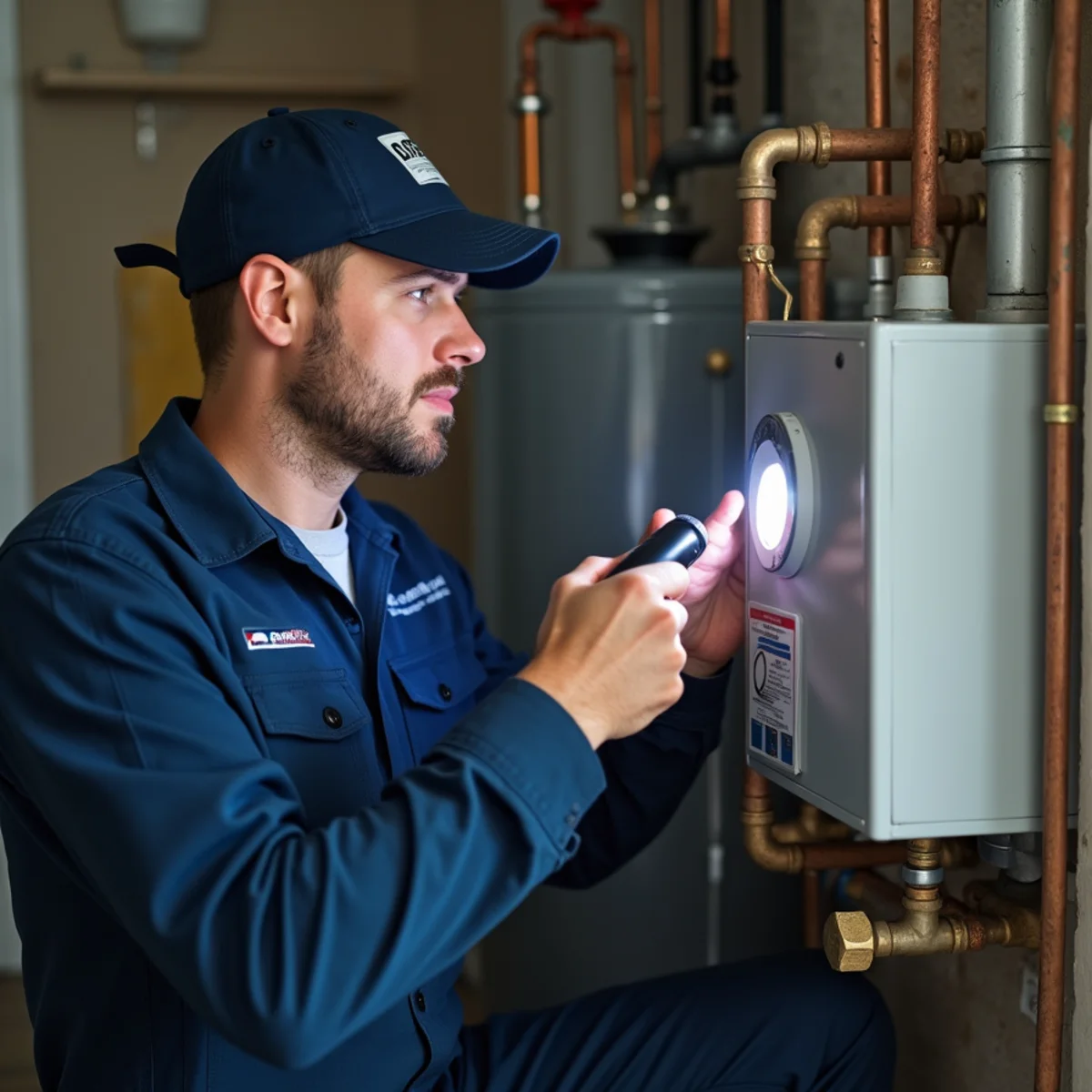
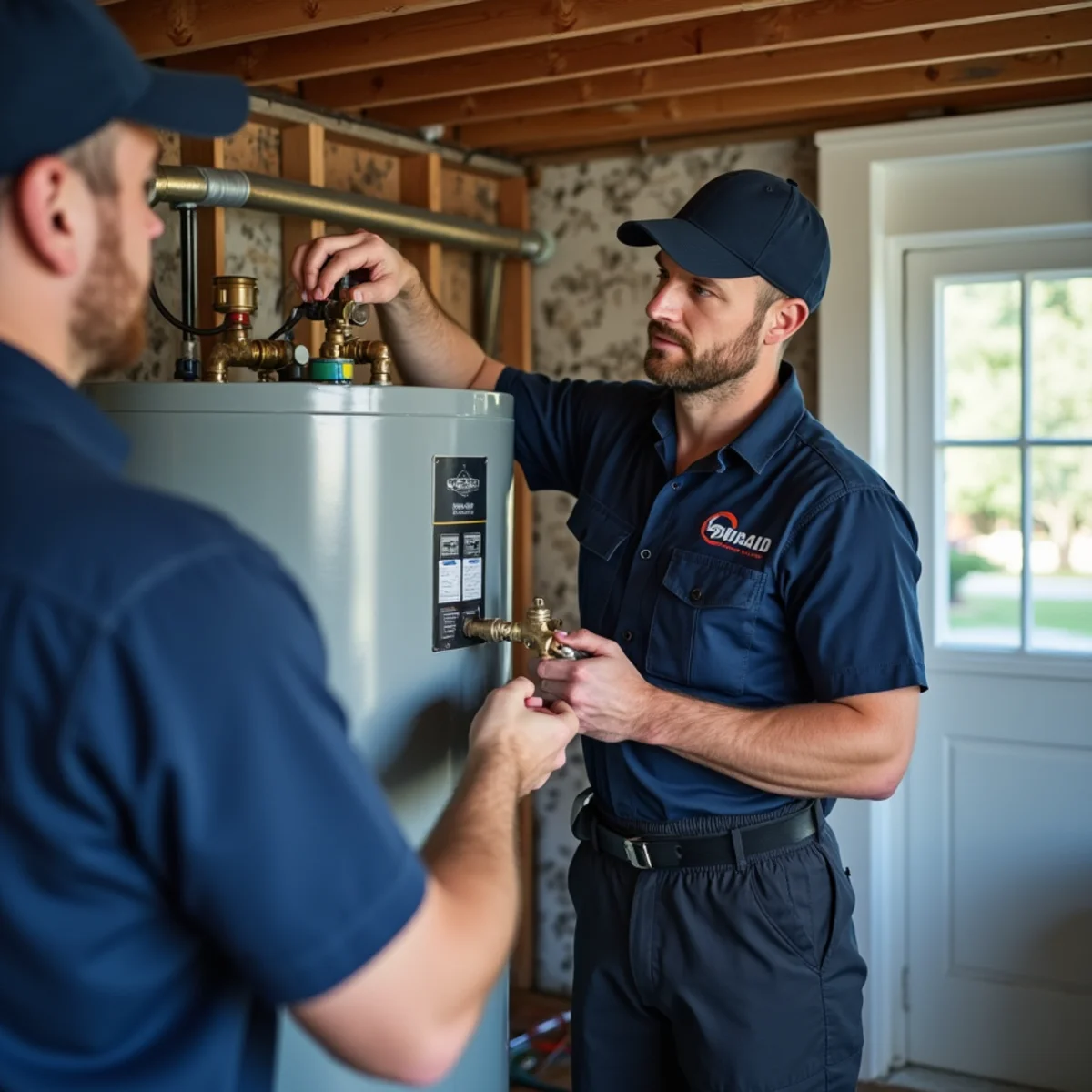
Your water heater is one of the hardest-working appliances in your home, and in Oakland County’s hard water it is under constant assault from mineral sediment. The good news: a single annual maintenance visit can add years to its life, cut your energy bills, and head off the dreaded no-hot-water surprise. Here is what it involves and why it matters so much here.
The enemy: hard-water sediment
Hard water carries calcium and magnesium that settle to the bottom of the tank as sediment. That layer insulates the burner or lower heating element, forcing the heater to work harder and longer to make hot water. The result is wasted energy, reduced capacity, that telltale popping sound, and — eventually — early tank failure.
What annual maintenance includes
- A full tank flush to remove built-up sediment.
- Inspection and, if needed, replacement of the anode rod that protects the tank from corrosion.
- Testing the temperature-and-pressure (T&P) relief valve for safe operation.
- Checking connections, the burner or elements, and the thermostat.
- Confirming safe recovery time and efficient operation.
Tankless needs it too
Tankless units are not immune. Hard water scales the heat exchanger, so they need annual descaling to maintain efficiency and keep the warranty valid. Whether you have a tank or tankless, our water heater maintenance keeps it running right.
The payoff
A maintained heater lasts longer, uses less energy, and is far less likely to leave you with a cold shower before guests arrive. If yours is already past its prime, we will tell you honestly and walk you through replacement options — often a good moment to add a softener.
This maintenance is especially valuable in hard-water-heavy communities like Southfield, where heaters commonly fail early without it. An hour a year is cheap insurance.
From our licensed plumbers
The anode rod nobody thinks about
Ask ten homeowners about their water heater and none of them will mention the anode rod — yet it is the single part most responsible for how long the tank lasts. The anode is a sacrificial metal rod that corrodes on purpose so the steel tank does not. On hard water it can be spent in a few years, and once it is gone, the tank itself starts to corrode. Checking and replacing that inexpensive rod during annual service is quietly one of the highest-return maintenance moves there is, and it is exactly the step a quick DIY flush skips.
The tradeoff is a small yearly service versus premature replacement. A flush clears the sediment that insulates the burner and steals capacity; the anode check protects the tank from the inside; testing the relief valve keeps it safe. Skip all three and a heater that should last twelve years dies at seven on our water. Tankless units are not exempt — they need annual descaling to keep the heat exchanger clear. However your home makes hot water, our maintenance service is cheap insurance for homeowners across Southfield and the rest of the county.
Frequently asked questions
In Oakland County’s hard water, once a year is the baseline. Homes with especially hard water or heavy usage may benefit from twice-yearly flushing. Regular flushing is the single most effective way to extend heater life here.
Some homeowners do, but a professional visit also checks the anode rod, relief valve, and burner or elements — the parts that actually determine tank life and safety. It is worth having it done right once a year.
Have a plumbing problem right now?
Our licensed Bloomfield Hills plumbers answer 24/7 and quote the price before any work begins.
Call (831) 290-4327