
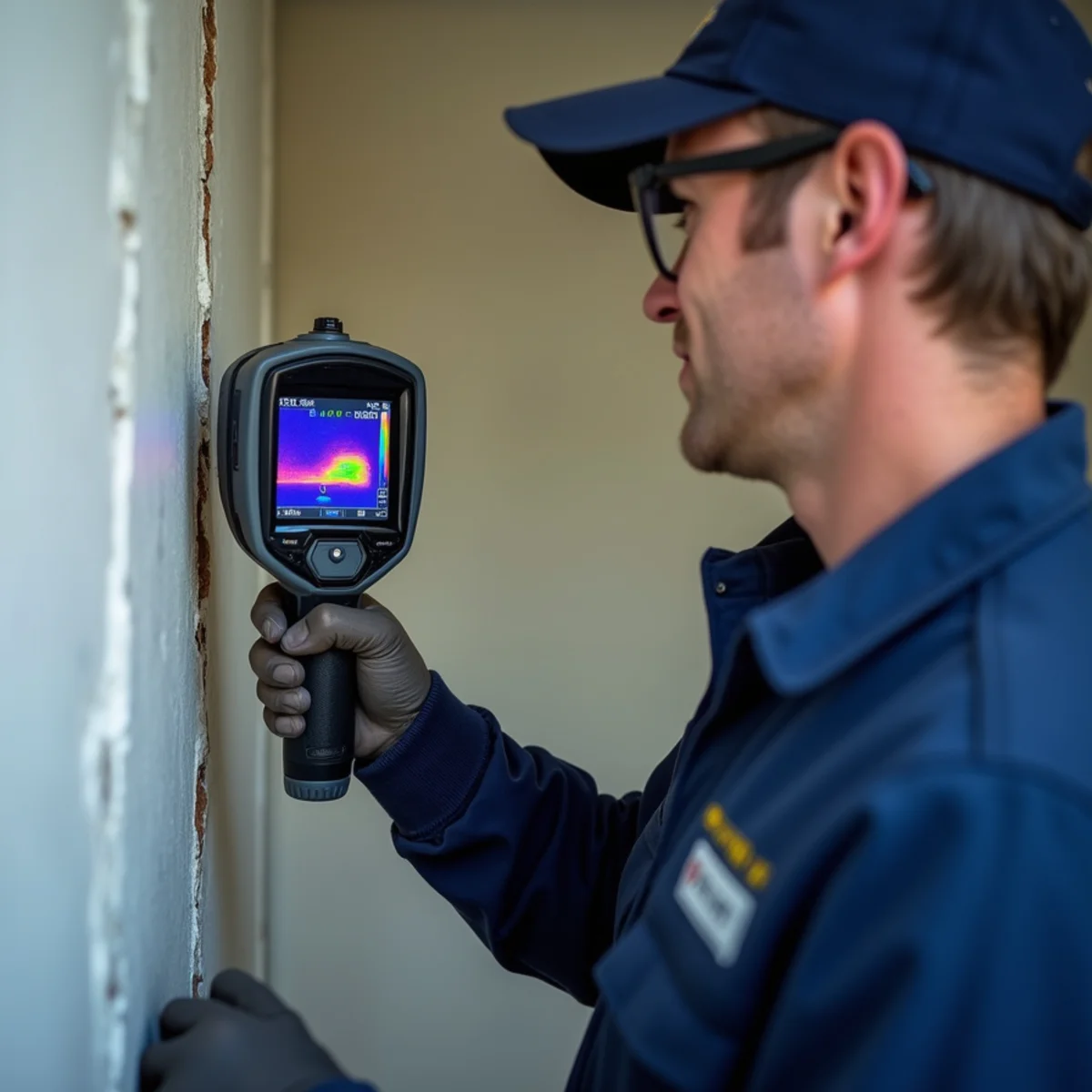
A hidden leak is one of the most expensive problems in a home precisely because you cannot see it. It wastes water, inflates your bill, and quietly rots framing and subfloor for months. Catching it early is the difference between a small repair and a major one. Watch for these seven signs.
The seven warning signs
 1
1A water bill that jumped
A spike with no change in usage often means a running toilet, an irrigation leak, or a hidden supply-line leak.
 2
2The meter moves with everything off
Turn off every fixture and watch the meter. If it still creeps, you have an active leak on the system.
 3
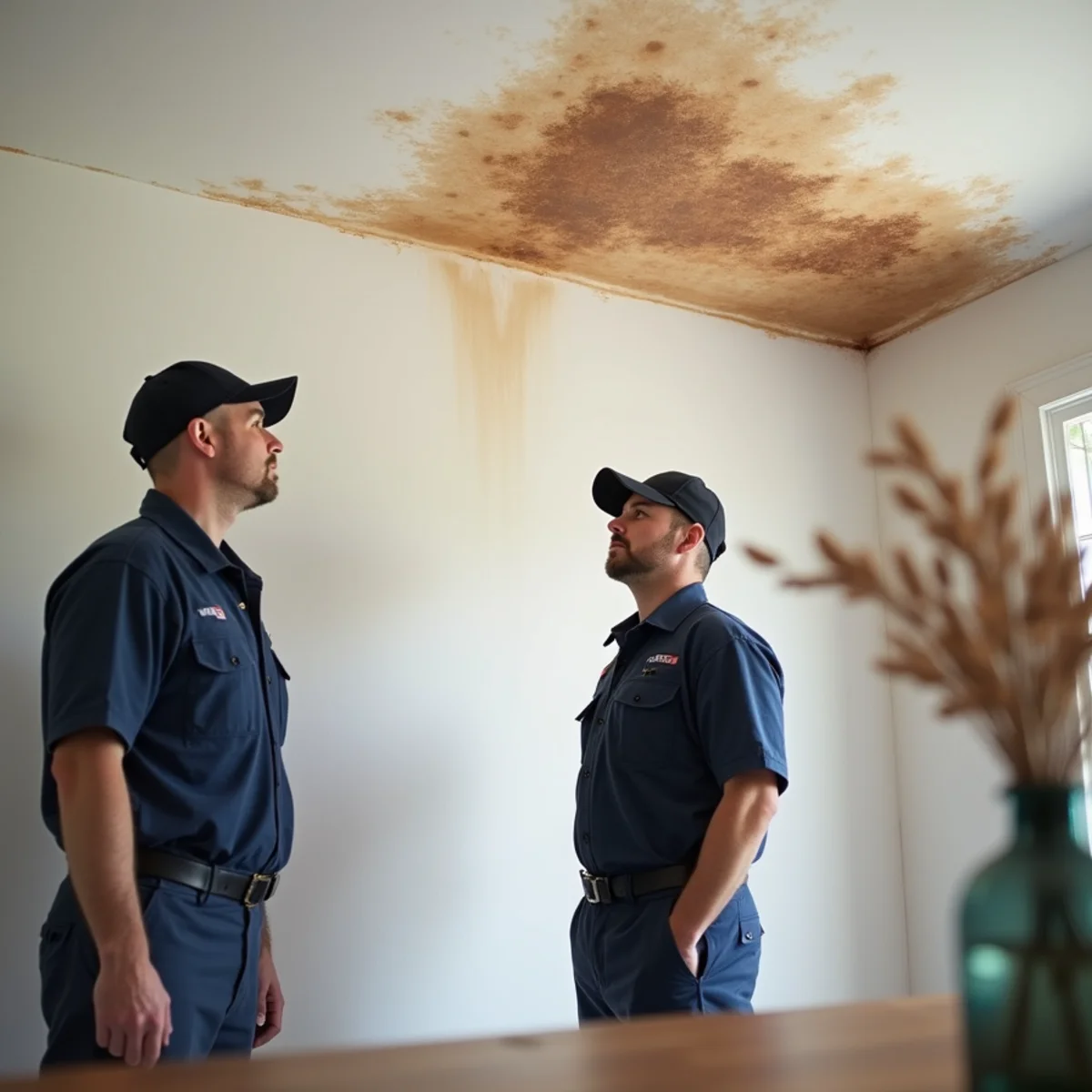
3Damp spots, stains, or bubbling paint
Discoloration on walls or ceilings and bubbling paint point to concealed moisture spreading behind the surface.
 4
4A persistent musty smell
A musty odor concentrated in one area usually means trapped moisture and the early stages of mold.
 5
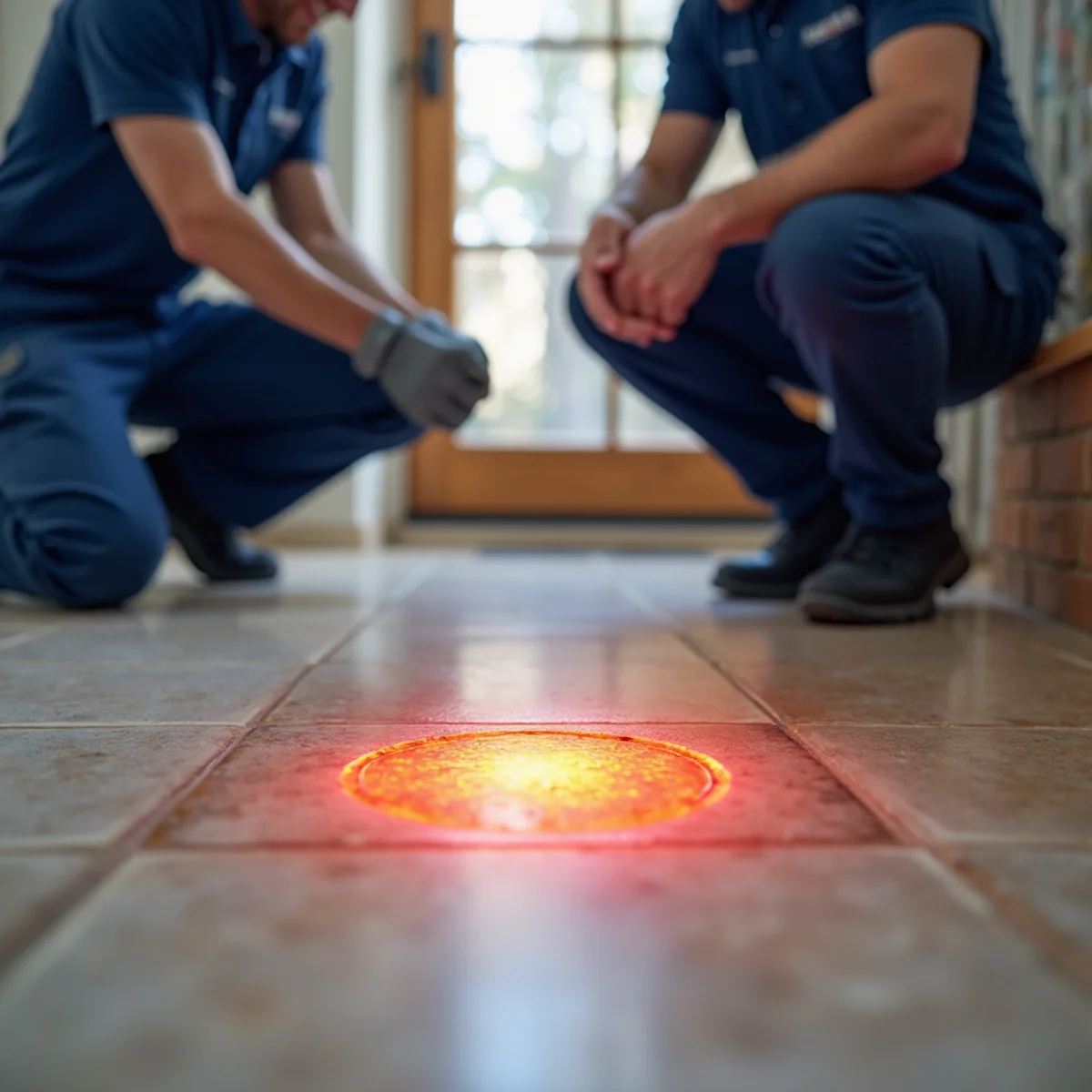
5Warm spots on the floor
A warm patch on the floor can signal a hot-water line leaking beneath the slab.
 6
6Low pressure or faint hissing
A pressure drop or a faint hiss behind a wall can mark a pinhole or slab leak worth finding fast.
 7
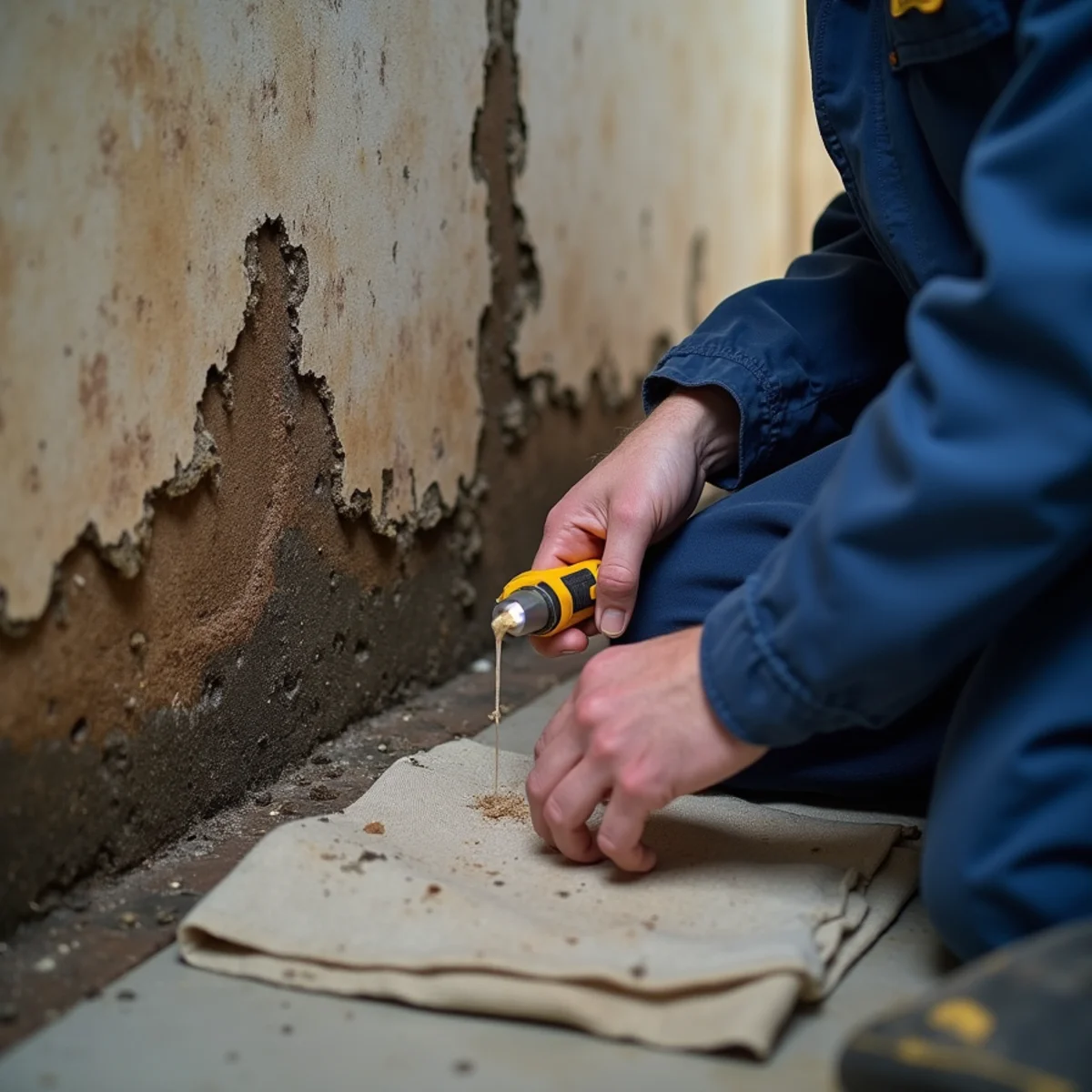
7Mold growth or a new foundation crack
Unexplained mold or a foundation crack that appears can be the downstream damage of a long-running leak.
Why hidden leaks are urgent
The EPA notes that clean water trapped in building materials can begin growing mold within 24–48 hours. A slow leak may take months to rot a subfloor, but the mold risk starts fast. Either way, the meter keeps spinning and the damage keeps compounding.
How we find it without tearing up your home
Our leak detection and repair team uses acoustic listening devices, thermal imaging, moisture meters, and pressure isolation to pinpoint the source first — then opens only the smallest necessary access point. This is dramatically cheaper than exploratory demolition.
Older homes, higher risk
Aging supply lines make hidden leaks more likely, which is why the older estates of communities like West Bloomfield see more of them. If your home has original piping and any of the signs above, do not wait for a stain to spread.
From our licensed plumbers
How we pinpoint a leak without opening every wall
The fear that stops homeowners from calling about a hidden leak is the image of a plumber cutting exploratory holes across a finished basement. That is exactly what good leak detection avoids. We start non-destructively: a pressure test confirms the leak is on the supply side, an acoustic sensor listens for the hiss of pressurized water escaping, and a thermal camera reveals the temperature signature of a hot-water line under a slab. Only after the source is pinpointed do we open the smallest possible access — often a single square of drywall instead of a wall.
The tradeoff worth respecting is speed. A hidden leak is not just a rising bill; it is water wicking into framing and subfloor, and clean water can start mold in 24–48 hours. Waiting to "keep an eye on it" almost always costs more than acting. In the older estates around West Bloomfield, where original supply lines run behind plaster and under slabs, fast, accurate leak detection is what keeps a small repair from becoming a demolition project.
Frequently asked questions
A lot — a running toilet alone can waste hundreds of gallons a day, and a hidden supply leak can waste thousands over a month. That is on top of the structural damage it causes out of sight.
Yes. Acoustic and thermal tools let us locate slab and in-wall leaks without random demolition. We confirm the source, then open only what is needed to repair it.
Have a plumbing problem right now?
Our licensed Bloomfield Hills plumbers answer 24/7 and quote the price before any work begins.
Call (831) 290-4327