Galvanized steel and lead were standard supply materials in older Oakland County homes, and both have a shelf life. Chasing one pinhole leak after another gets expensive fast, and at some point replacing the pipe is cheaper and safer than repairing it again. Here is how to know you have reached that point.
Warning signs it is time
- Discolored, rusty, or metallic-tasting water — a classic galvanized symptom.
- Water pressure that has steadily dropped over the years.
- Repeated pinhole leaks — you are patching pipe every few months.
- Known lead or old galvanized service lines still in the home.
- Pipes that are visibly corroded, flaking, or crusted at the fittings.
Why galvanized fails
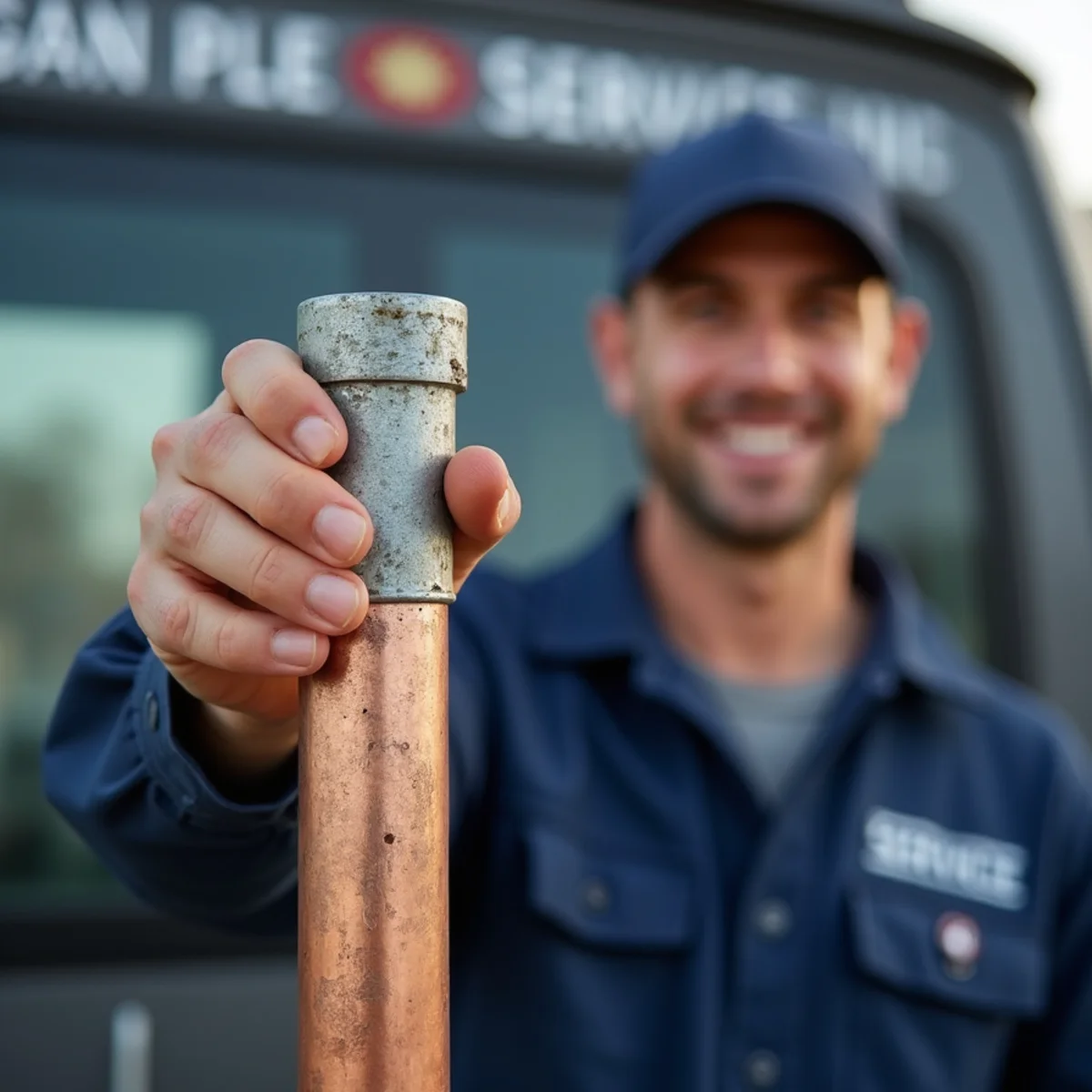
Galvanized pipe corrodes from the inside out. The zinc coating erodes, rust builds up, and the interior diameter shrinks until water can barely pass — which is why pressure drops and water discolors. Once this process is advanced, no amount of spot repair reverses it.
What a repipe involves
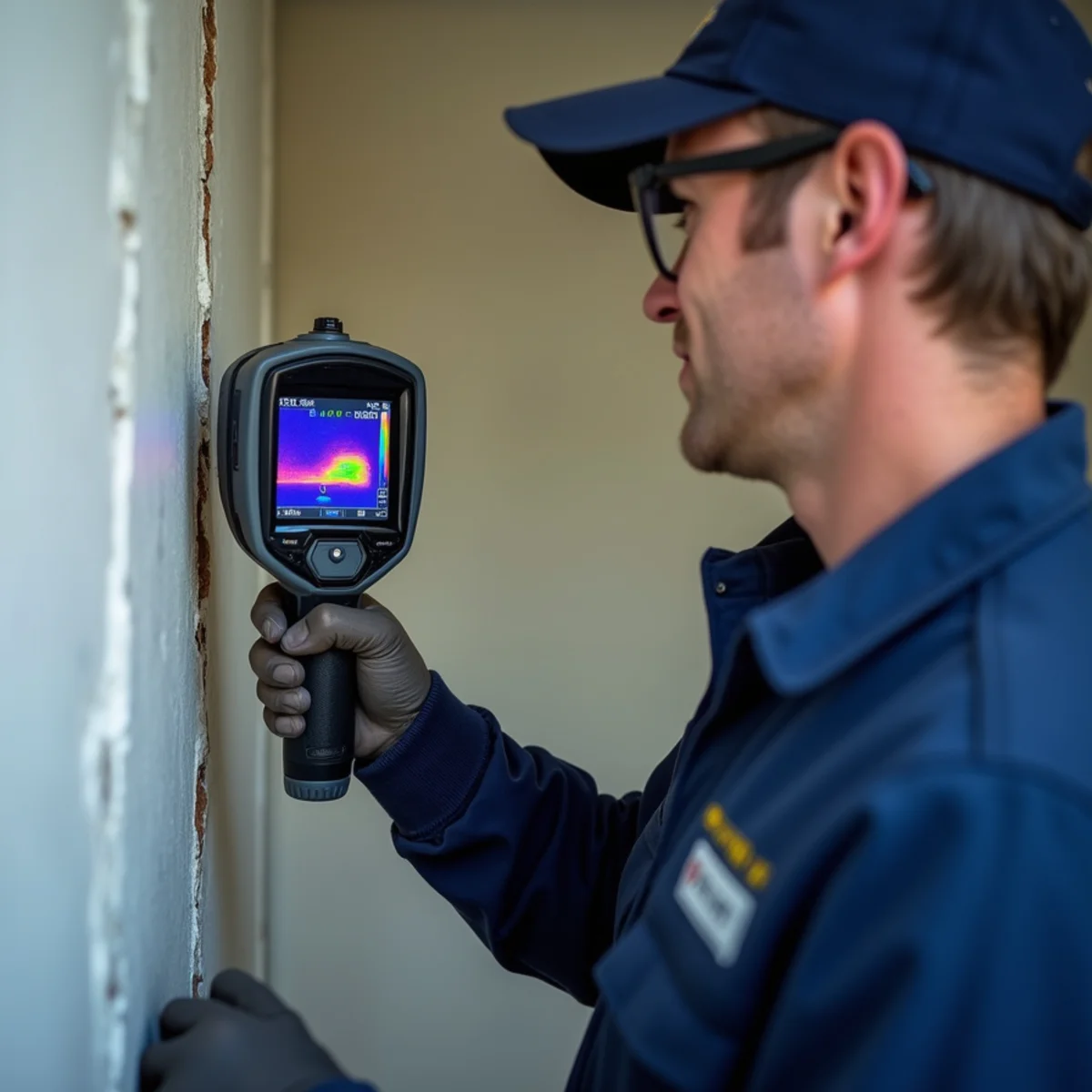
Our repiping team assesses your lines, water pressure, and water quality, then recommends a partial or whole-home repipe in modern copper or PEX. Wherever possible we fish new lines through existing chases to minimize wall openings, and we handle the permit and inspection throughout. Our scope includes patching the access points we make.
Common in older communities
Pre-1930 housing makes this a frequent conversation in Pontiac, where lead and galvanized service lines are common. But any home built before the 1960s is a candidate — if you see the warning signs above, an assessment is worth it.
Copper or PEX?
Both are excellent. Copper is rigid and time-proven; PEX is flexible, freeze-tolerant, and often faster to route through finished homes. We recommend based on your layout and budget and explain the trade-offs so you can choose with confidence.
From our licensed plumbers
The math on repair versus repipe
The repair-or-repipe question feels bigger than it is because homeowners frame it as a single expensive decision instead of a running total. One patch is cheap and easy to say yes to. The trouble is that failing galvanized pipe does not give you one patch — it gives you a series of them, spaced just far enough apart that you never quite add up what you have spent. Doing that math honestly is what makes the decision obvious.
Homeowners often ask us to "just fix the leak" on a galvanized system, and sometimes that is the right call. But galvanized pipe fails from the inside out — corrosion narrows the interior until pressure drops and water discolors — so a pinhole is rarely a one-off. It is the first of many. When we are patching the same home every few months, the honest math tilts toward a repipe: the repairs stop, the pressure comes back, and the water runs clear. We lay out both paths with real numbers so the decision is yours, not a sales pitch.
On copper versus PEX, there is no universal winner. Copper is rigid and time-proven; PEX is flexible, freeze-tolerant, and often faster to fish through finished walls with fewer openings. We recommend based on your layout and budget, and we route through existing chases wherever possible to keep wall repair to a minimum. In pre-1930 housing around Pontiac, where lead and galvanized service lines are common, a whole-home repipe also removes a genuine water-quality concern — not just a pressure headache.
Frequently asked questions
Most homes can be repiped in a few days, depending on size and access. We stage the work to keep water available as much as possible and minimize disruption to finished spaces.
Once you are patching leaks every few months or seeing discolored water and low pressure, repiping is usually cheaper over time than endless repairs — and it protects water quality. We give you the honest math for your home.
Have a plumbing problem right now?
Our licensed Bloomfield Hills plumbers answer 24/7 and quote the price before any work begins.
Call (831) 290-4327