If you live in Oakland County, you have hard water — mineral-rich supply loaded with calcium and magnesium. It seems harmless in a glass, but over years those minerals scale your water heater, clog your fixtures, and shorten the life of nearly every part of your plumbing system. Here is the damage, and the defense.
What hard water does to a water heater
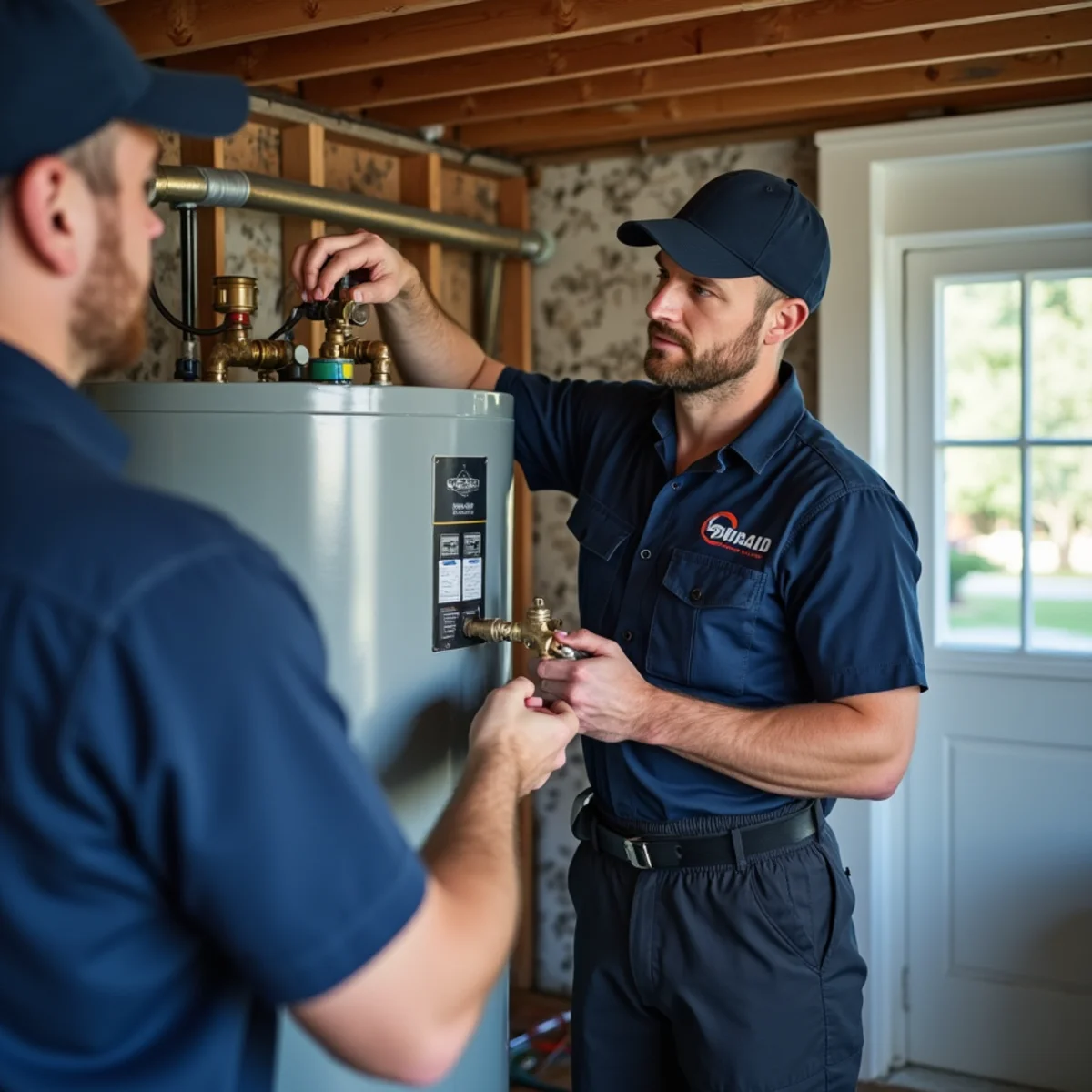
This is where hard water hits hardest. Minerals settle to the bottom of the tank as sediment, insulating the burner or lower heating element. The heater runs hotter and longer to compensate, wasting energy and wearing out the tank years early. That popping or rumbling sound you hear? That is sediment boiling under the water.
Fixtures, valves, and pressure
- Scale clogs faucet aerators and showerheads, cutting flow.
- Mineral buildup fouls valves, fill valves, and cartridges.
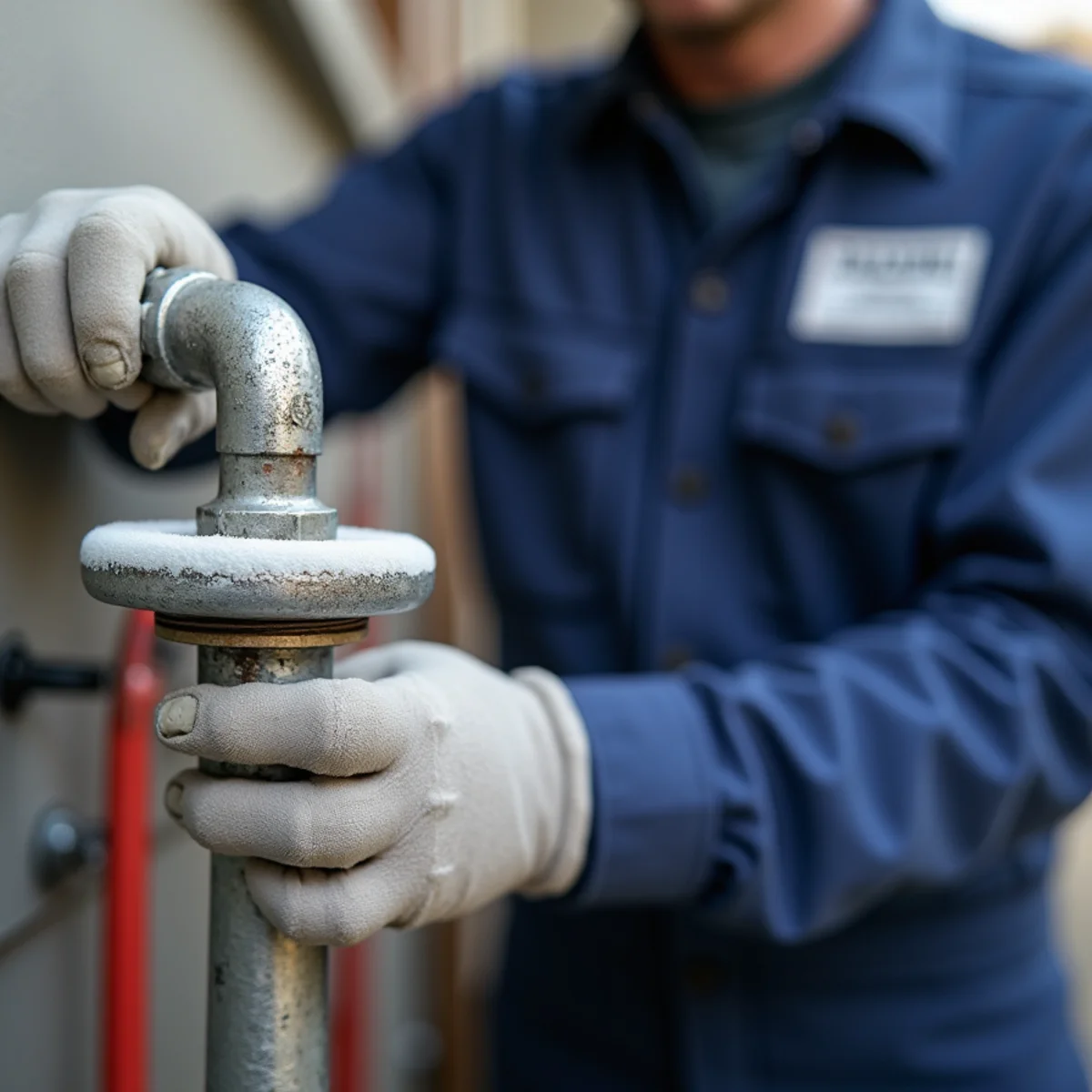
- Scale narrows pipe interiors over time, reducing pressure.
- Spots and film on glassware and fixtures are the visible tip of the problem.
The two-part defense
First, an annual flush. Our water heater maintenance clears sediment before it can insulate the burner or elements — the single most effective thing you can do. Second, a water softener removes the minerals before they enter your plumbing, protecting the heater, fixtures, and pipes throughout the home.
Worst in the sprawling suburbs
Hard-water complaints are especially common in communities like Farmington Hills, where large 1970s subdivisions see water heaters fail early without softening. If your heater has failed sooner than expected, hard water is very likely the reason — and it is fixable.
Planning a new heater anyway? Pairing a new installation with a softener protects your investment from day one.
From our licensed plumbers
The quiet cost of doing nothing about hard water
Hard water is a slow tax, not a sudden bill, and that is precisely why it is so easy to ignore. There is no dramatic failure to force the issue — just a steady, almost imperceptible decline that homeowners adjust to without noticing. By the time the cost becomes obvious, it has already been paid in shortened appliance lifespans and reduced efficiency for years. Naming that pattern is the first step to getting off the treadmill.
Hard water rarely announces itself with a dramatic failure. It works slowly — a little more scale on the heating element each month, a slightly clogged aerator, a water heater that recovers a bit slower every year. Homeowners get used to the gradual decline and never connect it to the mineral content of their water. Then the heater fails at seven years instead of twelve, the "new" fixtures spot within weeks, and the pattern repeats. The damage is real, but because it is incremental, it is easy to ignore until it is expensive.
The tradeoff is a modest upfront investment versus years of accelerated wear. An annual flush and anode check is the single most effective thing you can do, and a whole-home softener protects the heater, fixtures, and pipes together. Neither is glamorous, but both pay for themselves in appliance life. In the sprawling 1970s subdivisions around Farmington Hills, where hard water is unforgiving, the homes that soften and flush simply replace water heaters far less often than the ones that don't.
Frequently asked questions
Telltale signs include spots on glassware, film on shower doors, reduced flow from fixtures, and water heaters that fail early. A simple water test confirms the hardness level so you can size a softener correctly.
Yes. By removing the minerals that cause scale, a softener protects your water heater, fixtures, and pipes. Combined with annual heater flushing, it meaningfully extends the life of the whole system.
Have a plumbing problem right now?
Our licensed Bloomfield Hills plumbers answer 24/7 and quote the price before any work begins.
Call (831) 290-4327